
Vessel Underwater Inspection
GLORY MARINE provides vessel underwater inspection services backed by its own ROV fleet and extensive underwater engineering experience. Engagements are priced either as an inspection project or as equipment rental, replacing conventional diver and dry-docking surveys. We capture high-definition imagery of the hull, bottom plating, sea chests, propellers and rudders and identify defects on site. A large number of vessel inspections have been completed — safely, without taking the ship out of service, with traceable and verifiable data for owners and classification societies.
Who Needs Vessel Underwater Inspection
Shipowners / Operators
In-service and annual surveys that keep the true condition of the hull visible at all times, reducing off-hire losses.
Immigration / Customs
ROV screening of sea chests and sea valves on berthed vessels for concealed narcotics or contraband — non-contact, evidence-preserving, and supporting anti-smuggling and port control.
Repair Yards and Shipyards
Pre-docking condition survey, a factual basis for repair quotations, and post-docking verification, making repair scopes more accurate.
Maritime Authorities / Classification Societies
Underwater support for safety inspections and class surveys, with compliant records and traceable processes.
Salvage and Rescue Operators
Underwater survey and condition assessment of distressed vessels, wrecks and navigation hazards to support salvage decisions.
Diving Contractors
An ROV equipment and operations subcontracting partner, extending underwater visibility and data capability.
Offshore Engineering Contractors
Auxiliary inspection of underwater structures and pre-construction surveys that reduce operational uncertainty.
Military Units
Underwater inspection of naval vessels and support for exercises. ROVs perform non-contact survey and imagery documentation of hulls, sea chests and sea valves, with demonstrated capability in exercise support and emergency survey.
What We Solve
 1
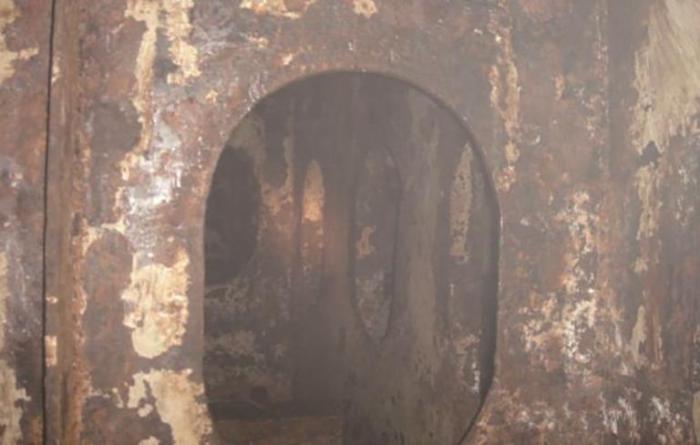
Hull Plate Corrosion and Pitting
HD imagery combined with a ranging payload quantifies pitting area and depth on shell plating, bottom plating near weld zones and ballast tanks, building a corrosion trend record that supports repair and plate renewal decisions.
Conventional gap: visual survey in dry dock — subjective and prone to missed defects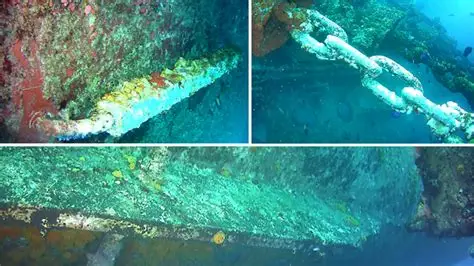 2
Marine Growth Fouling
Full bottom scans record the distribution and thickness of barnacles and algae, quantify the impact on speed and fuel consumption, and inform cleaning and antifouling strategy.
Conventional gap: only visible in dry dock, at high cost to availability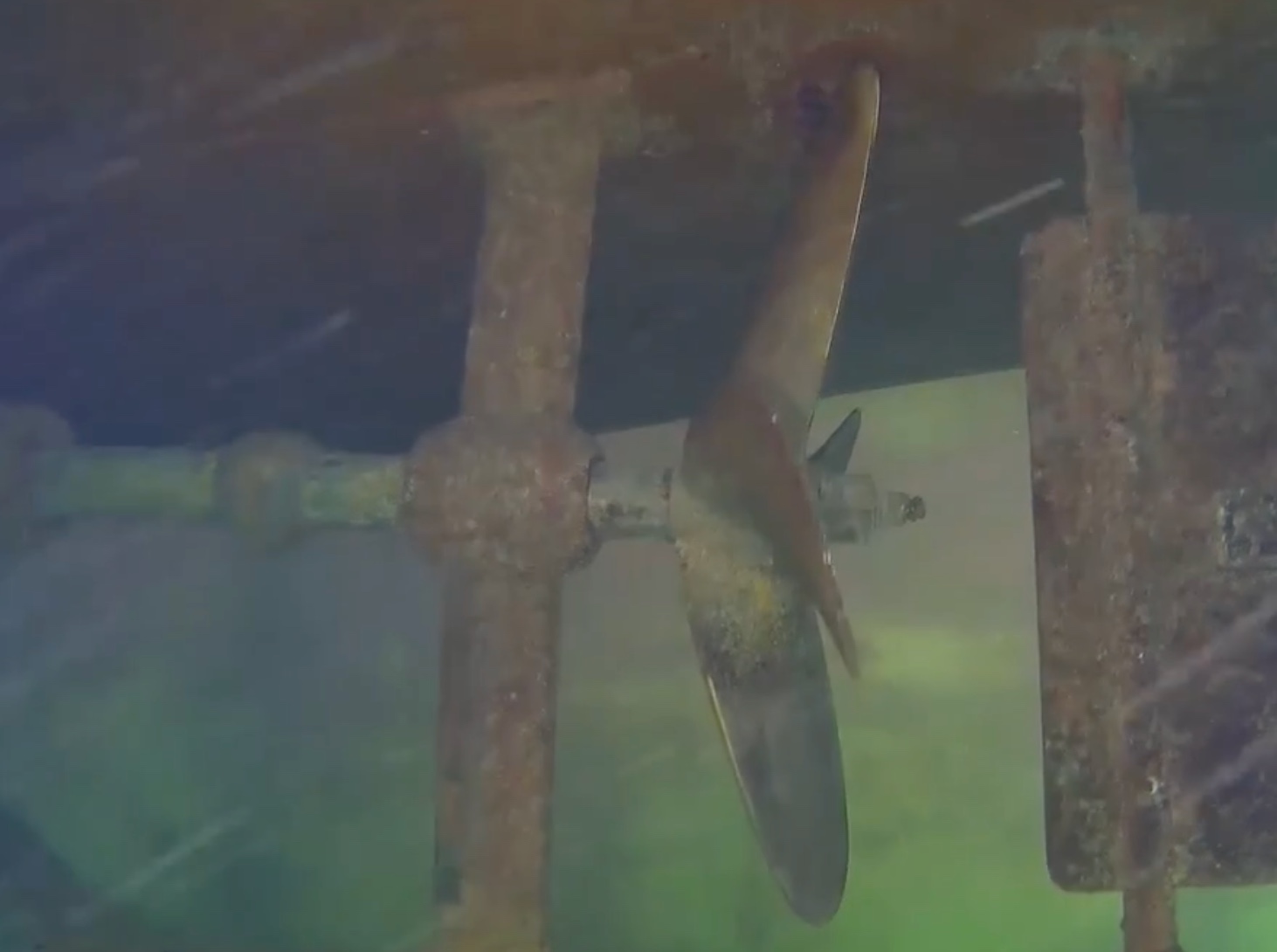 3
Propeller, Rudder and Sea Chest Damage
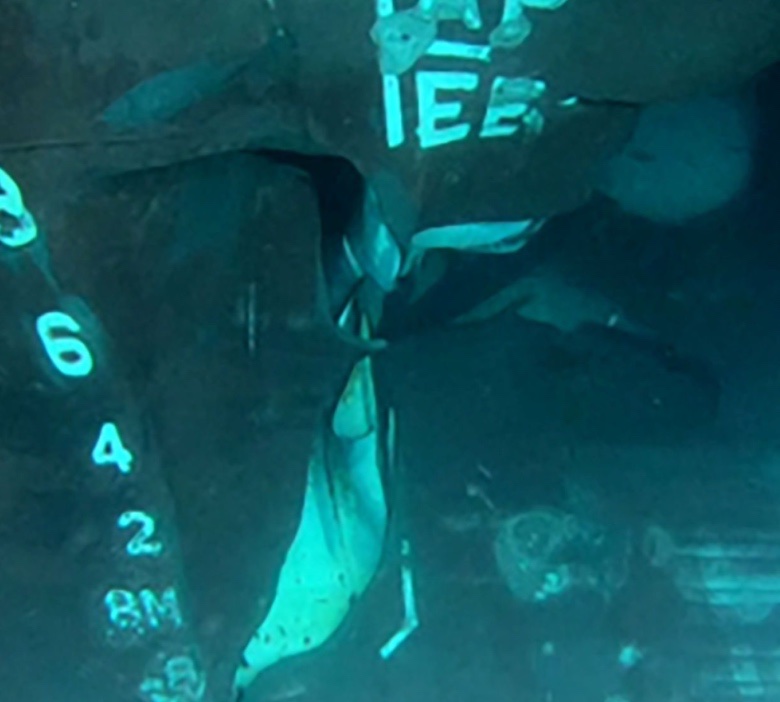
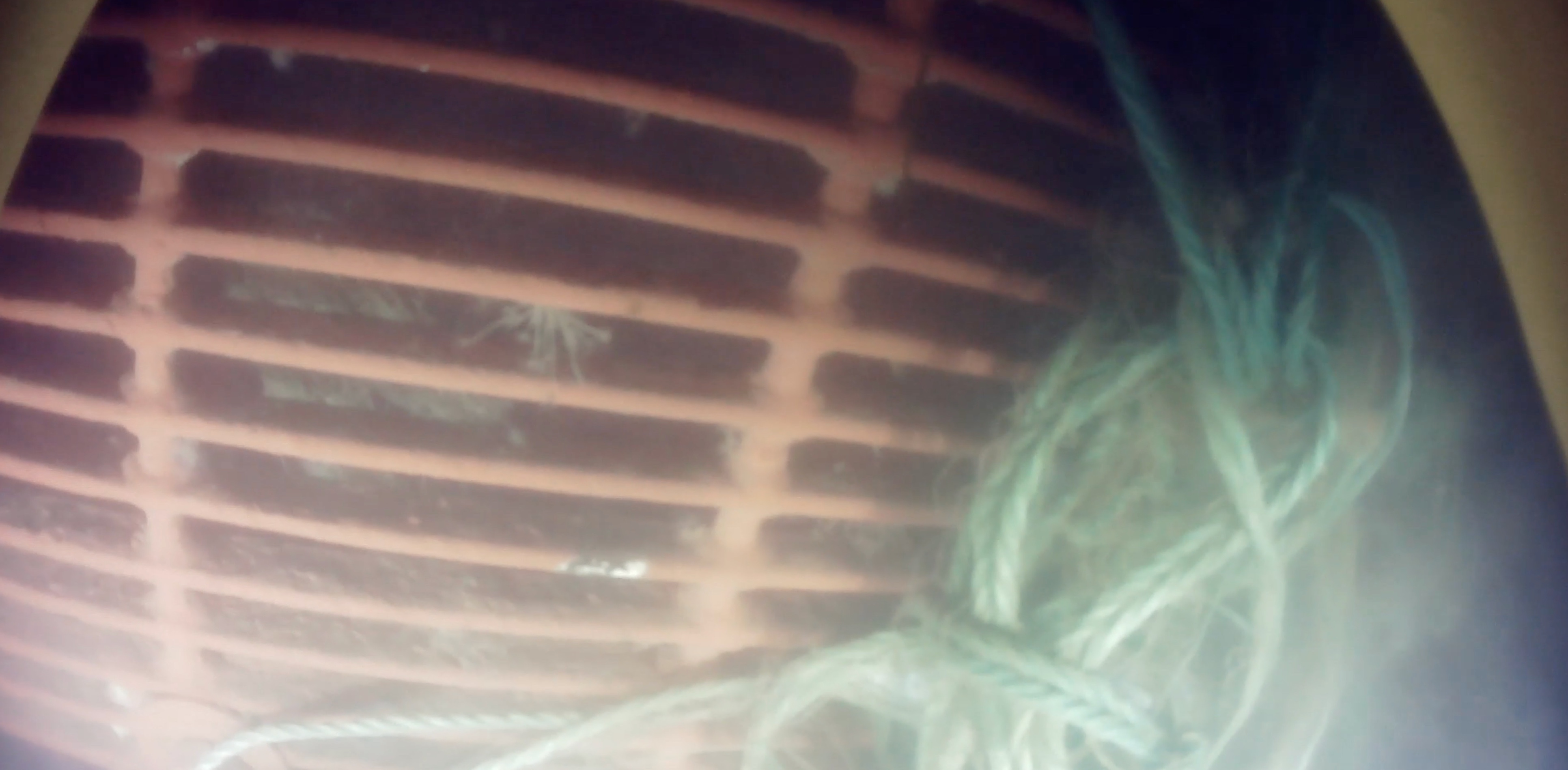
Close-range HD inspection of blade deformation, rudder stock clearance and sea chest grating blockage identifies early-stage damage in running gear and sea-connected structures.
Conventional gap: divers cannot approach under strong current or poor visibility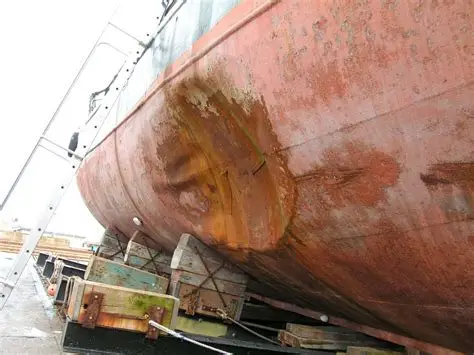 4
Impact Damage and Deformation
For dents and deformation from berthing, grounding or operational impact, imagery compared against the historical baseline locates and quantifies damage quickly and determines whether dry docking is required.
Conventional gap: detailed survey requires docking, with long lead times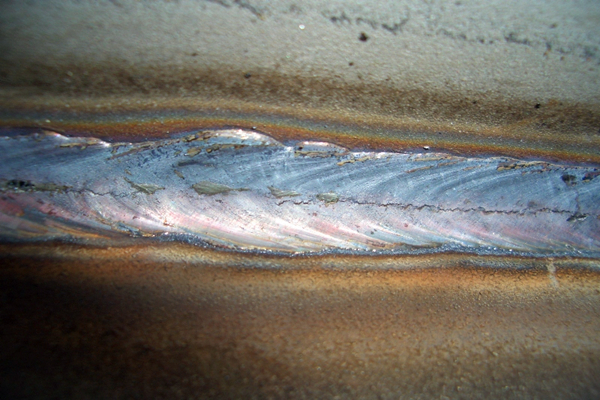 5
Underwater Welds and Coating Condition
Weld integrity and coating breakdown areas are recorded in HD and archived for cross-period trend comparison, tracking the rate of structural ageing.
Conventional gap: handwritten records are hard to verify and trace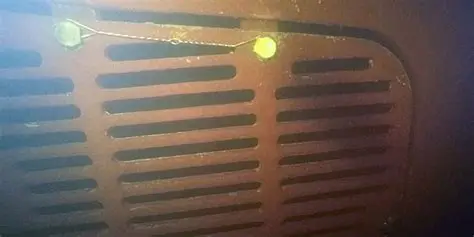 6
Sea Chests and Sea Valves
Inspection of strainer blockage and foreign-object obstruction — a mandatory item in routine surveys, directly tied to cooling and ballast safety.
Conventional gap: requires diver entry into confined spaces, with high risk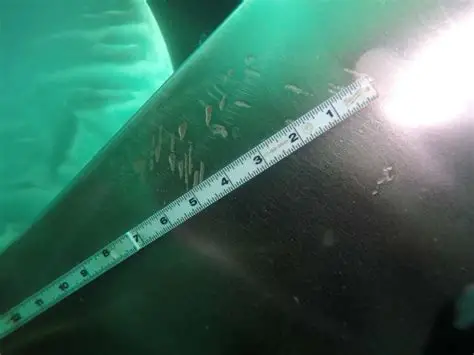 7
Class Survey and Inspection Support
Replaces part of the diver-based underwater survey scope, issuing compliant imagery-based reports and completing survey support without dry docking or off-hire.
Conventional gap: long docking queues, high cost and disruption to operations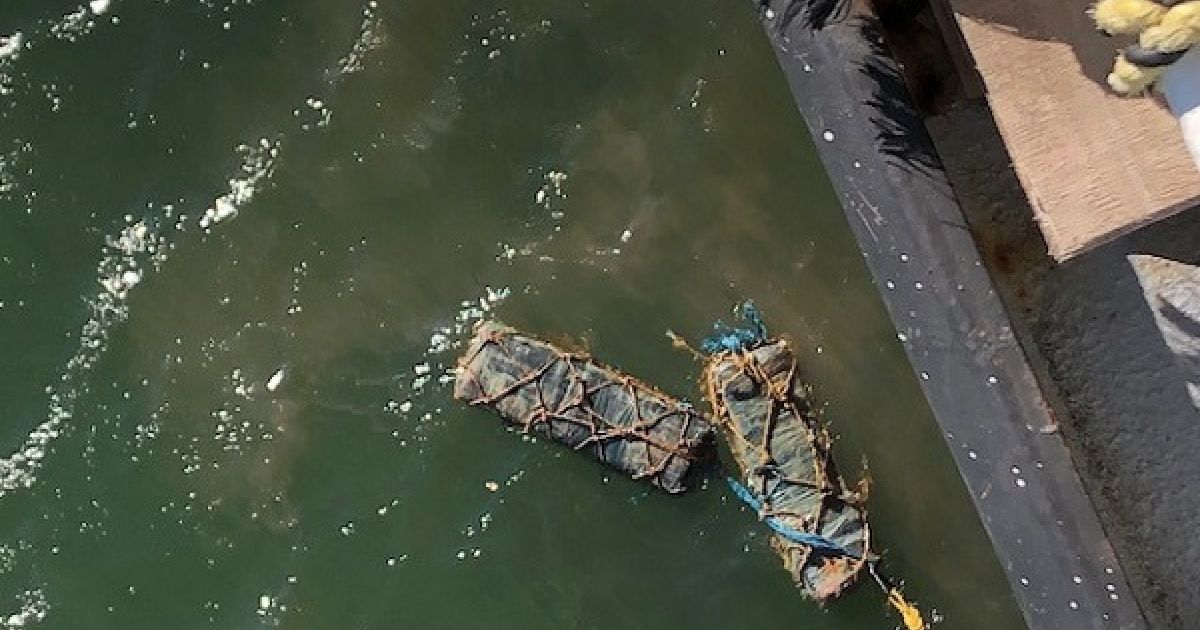 8
Sea Chest Contraband Screening
ROVs enter sea chests and sea valves to carry out HD screening for concealed narcotics and smuggled goods, providing immigration and customs authorities with non-contact, traceable video evidence in support of enforcement.
Conventional gap: concealed valve boxes and confined space make manual search difficult to reach and easy to missConventional Methods vs ROV Inspection
Same survey scope — the difference lies in cost, safety and the credibility of the data
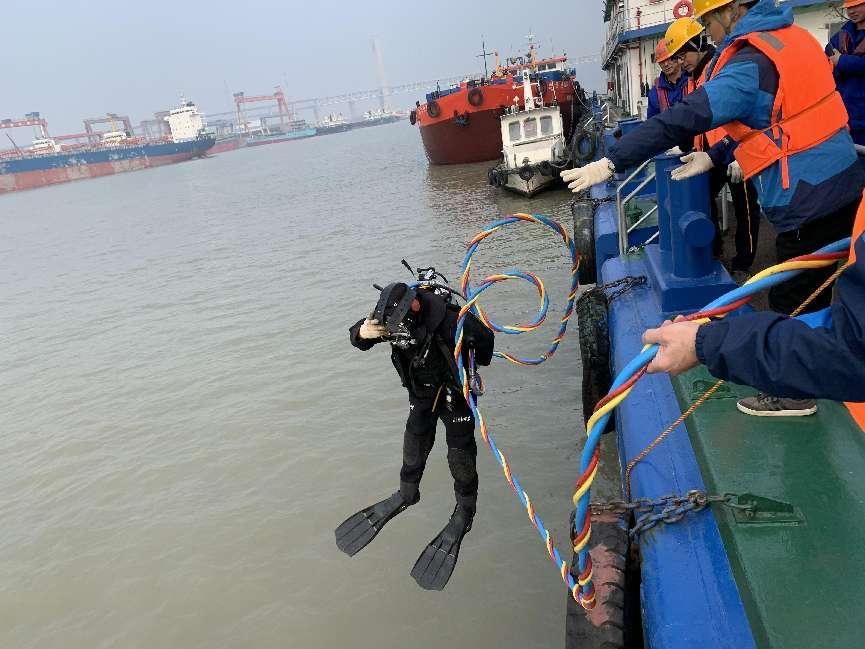
Conventional: Docking / Divers
- Docking survey: off-hire, towage and yard time — long lead time, high cost
- Divers: limited by depth, current and visibility, with high safety risk
- Records kept by hand — subjective, hard to verify or trace
- No work in adverse sea states; short operating windows
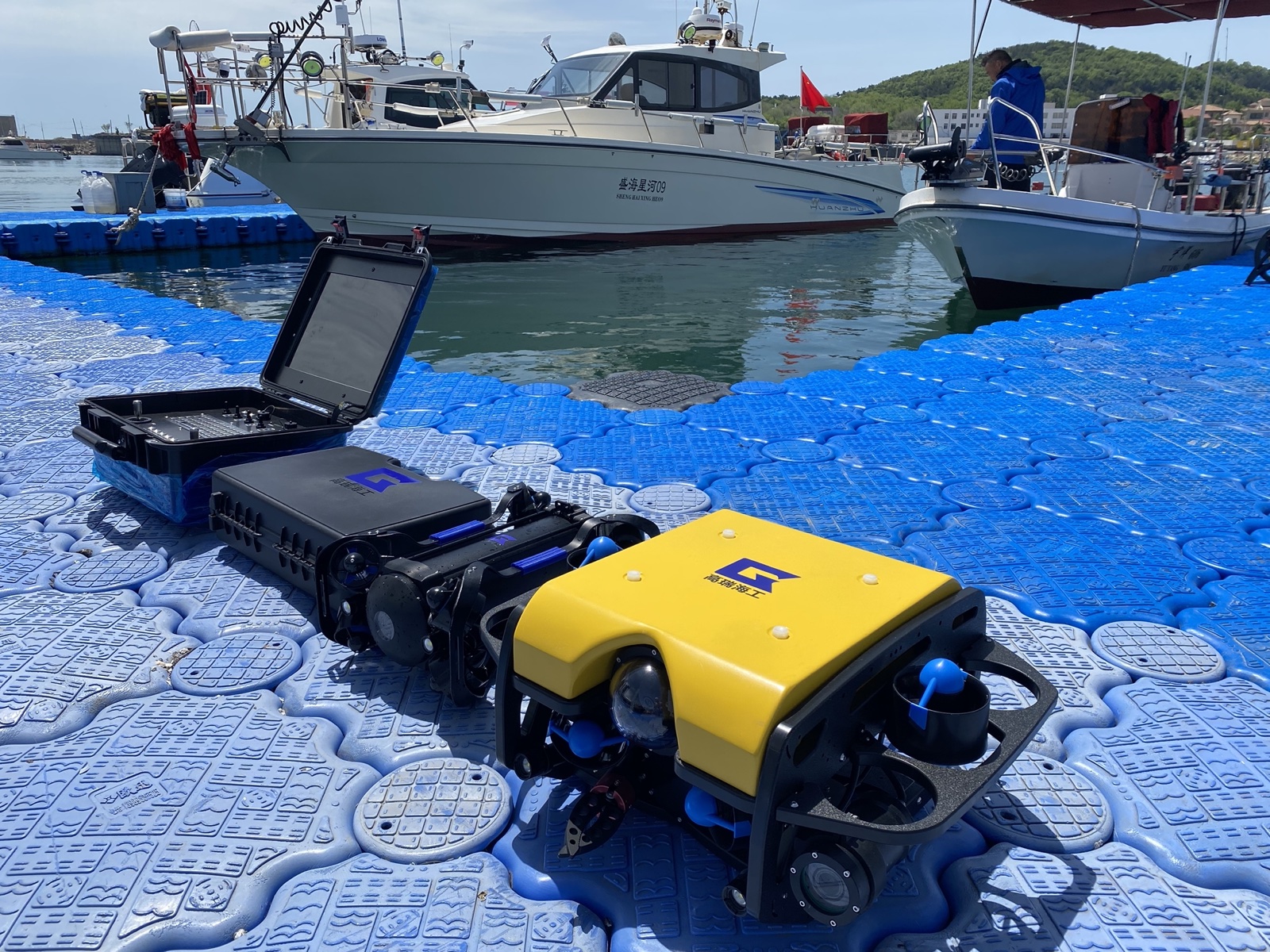
ROV Underwater Inspection
- In-service survey with no off-hire, saving towage and yard time
- No diver in the water — diver safety risk eliminated
- 4K imaging with ranging — objective records that can be verified and traced
- Current-tolerant operation, less affected by sea state, with longer operating windows
Field Records
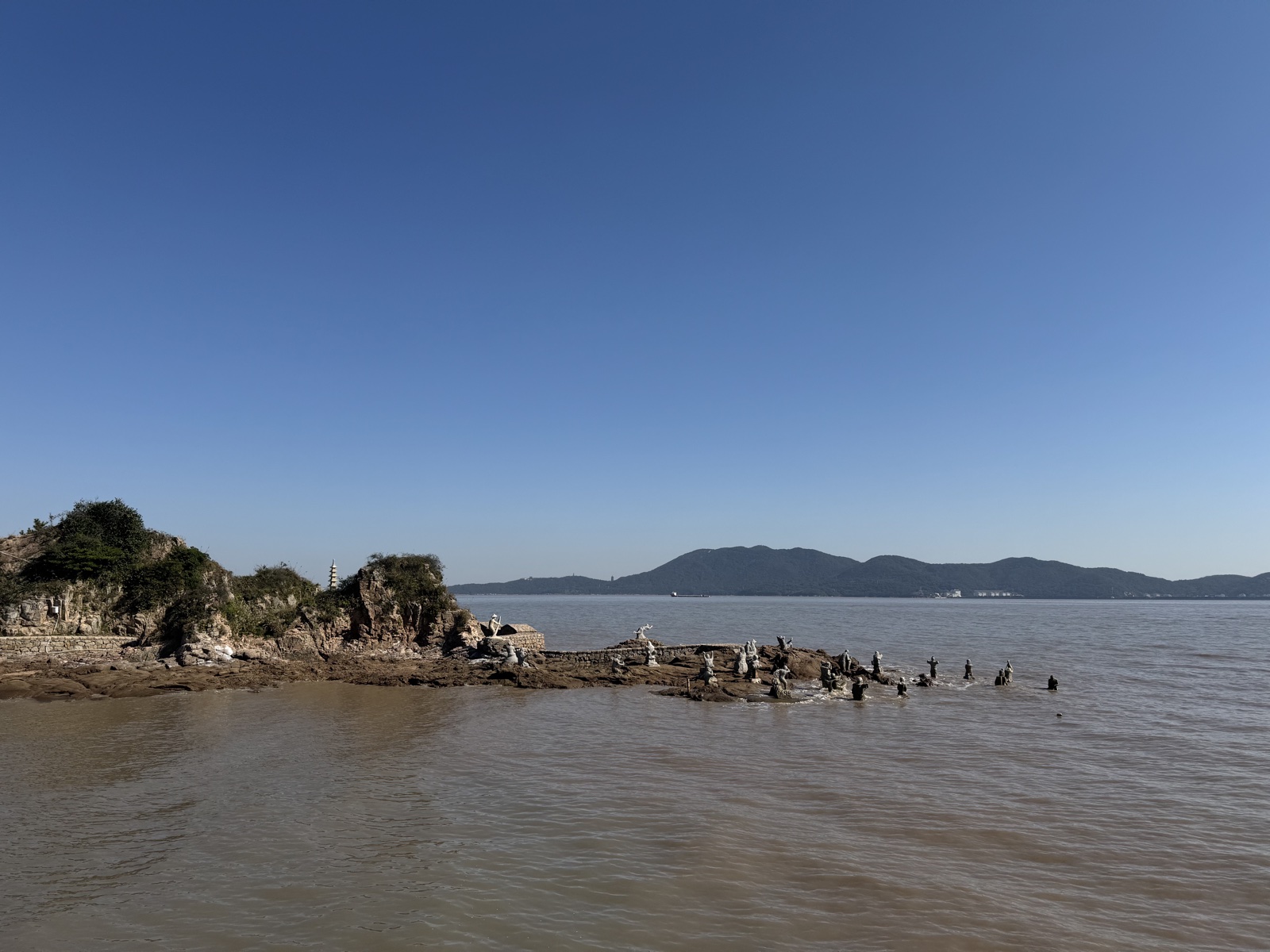
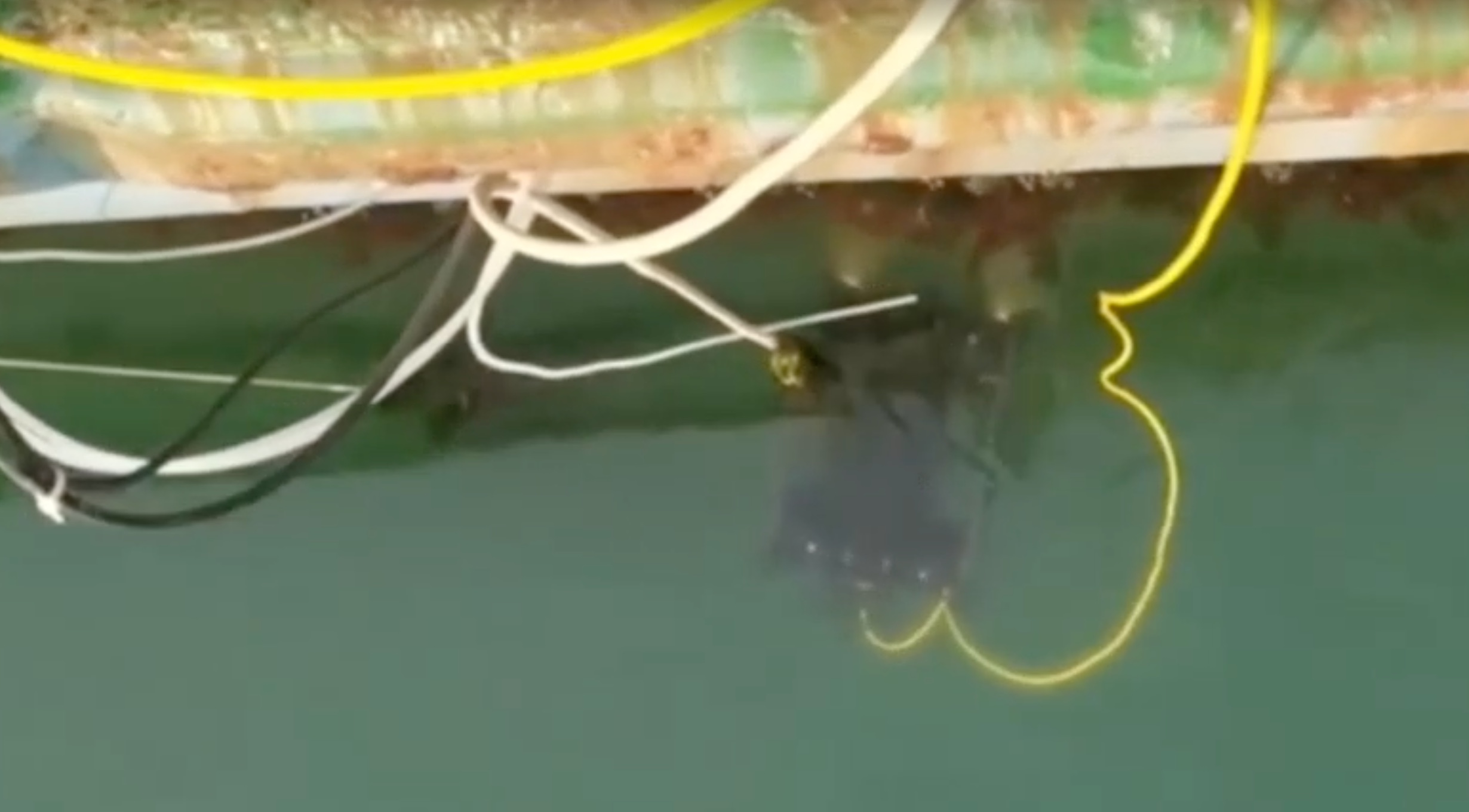
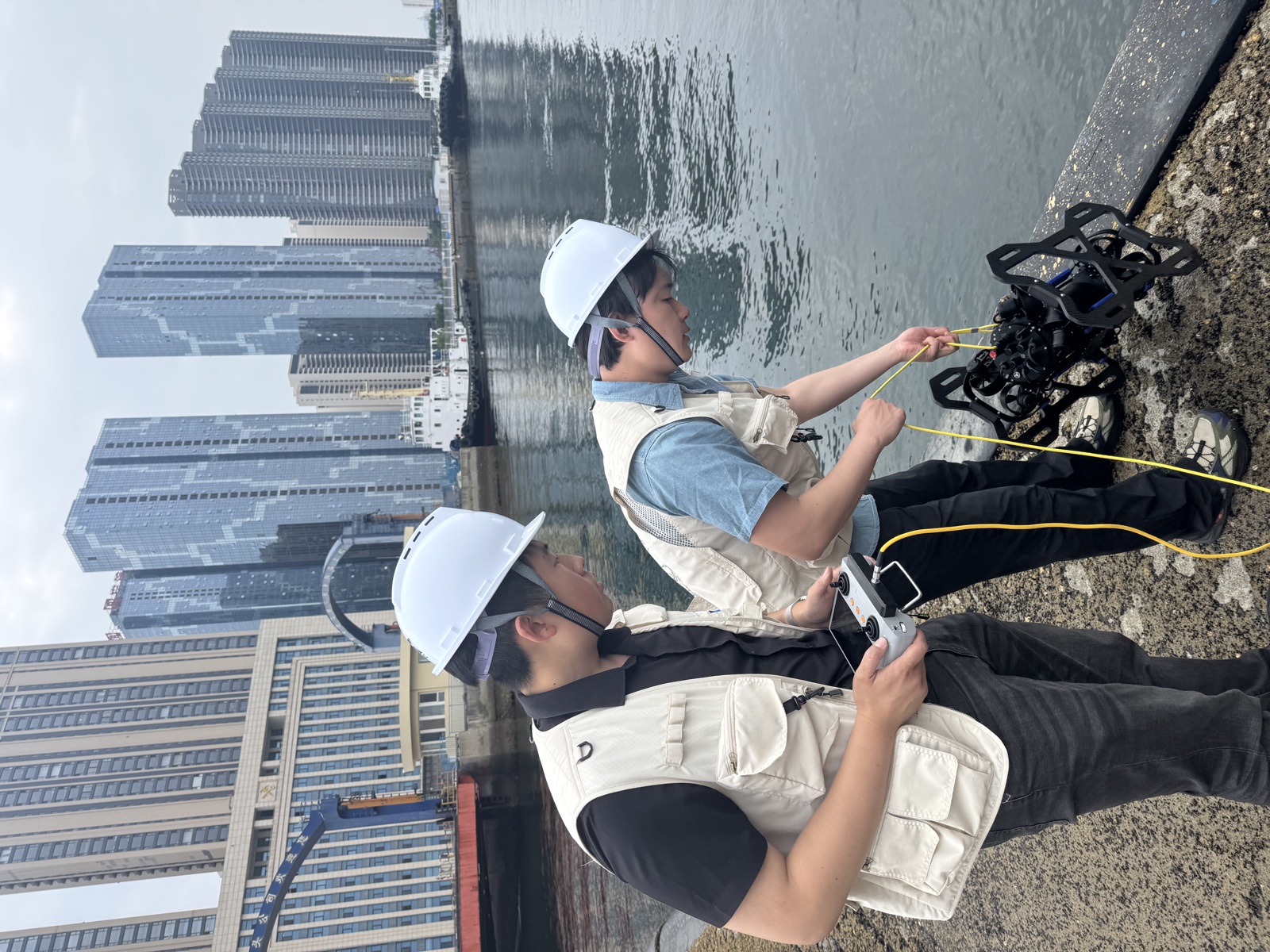
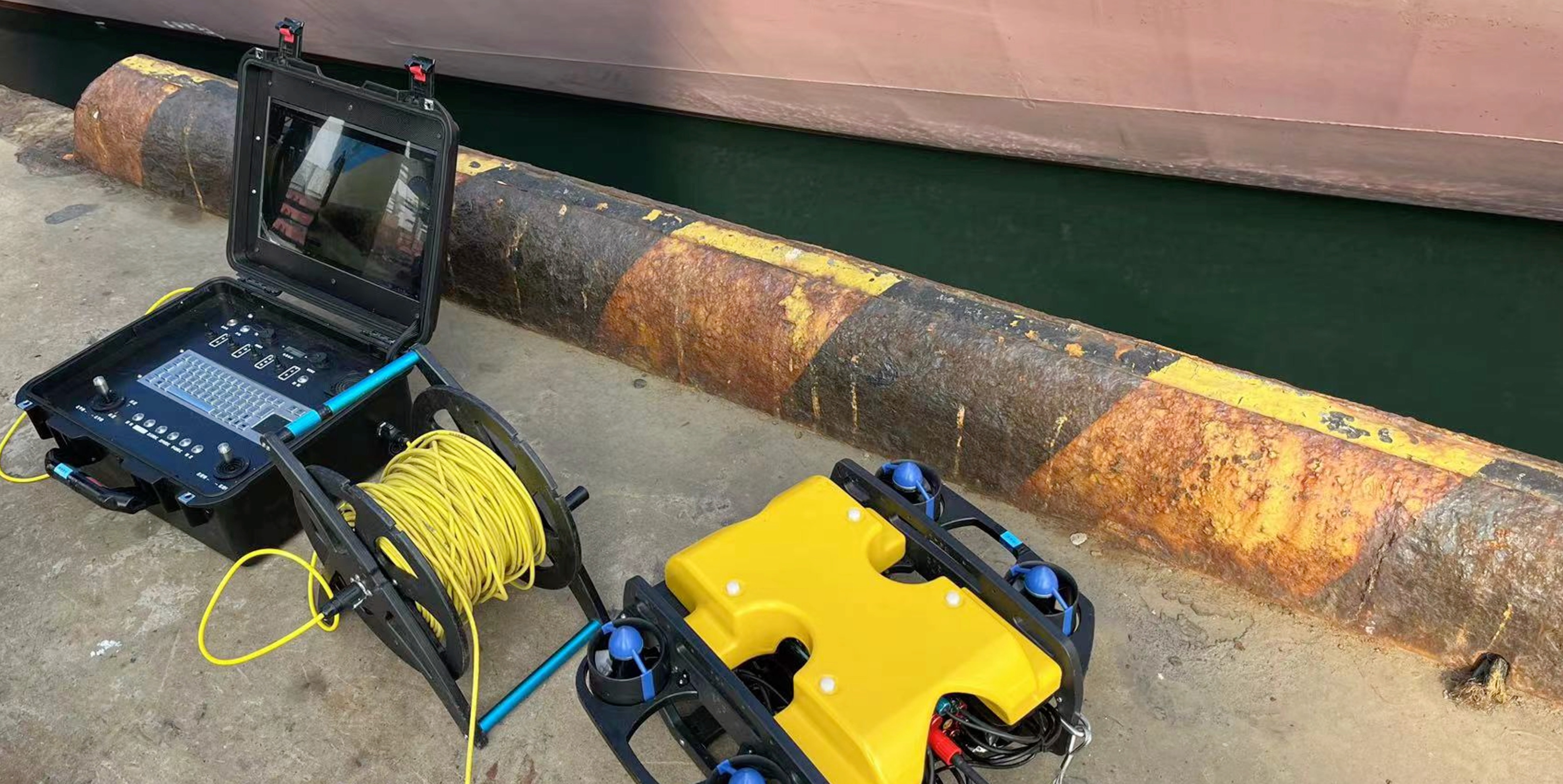
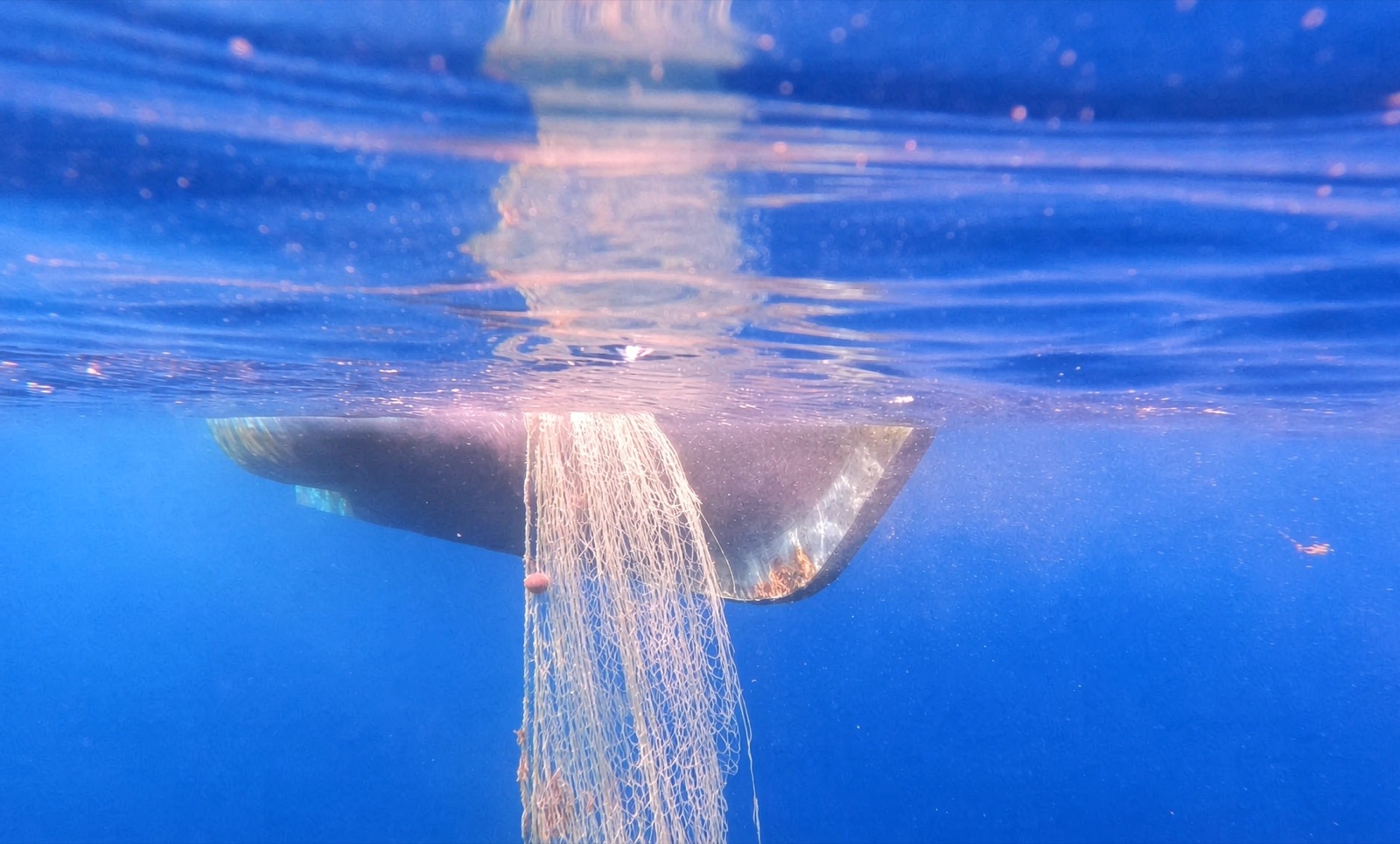
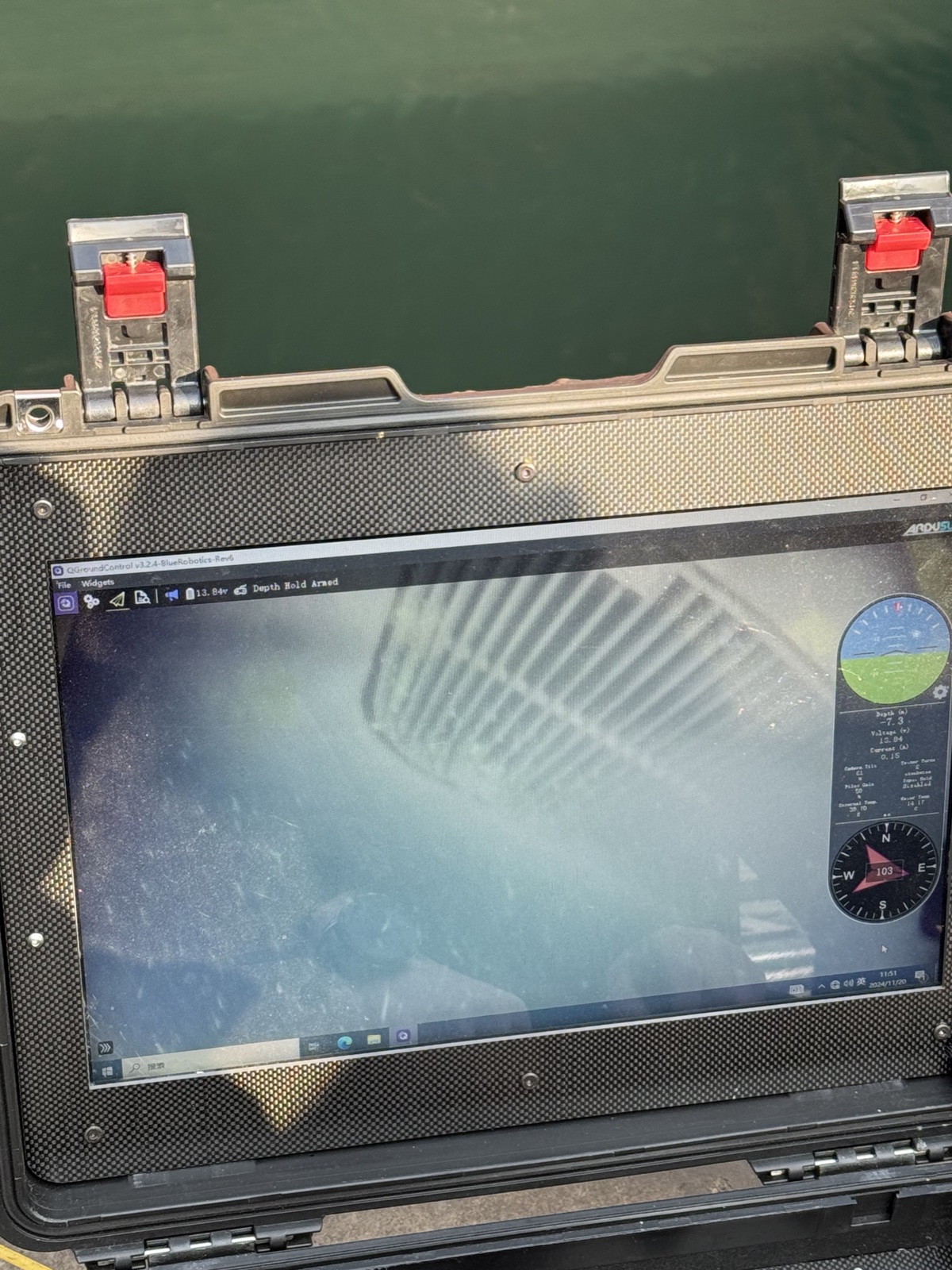
Below are on-site photographs and job records from our own ROV underwater inspection operations, supplied from GLORY MARINE field material and updated continuously
Industry Reference · International Cases
ROV-based vessel inspection is an established practice worldwide. The following public cases are provided for reference.
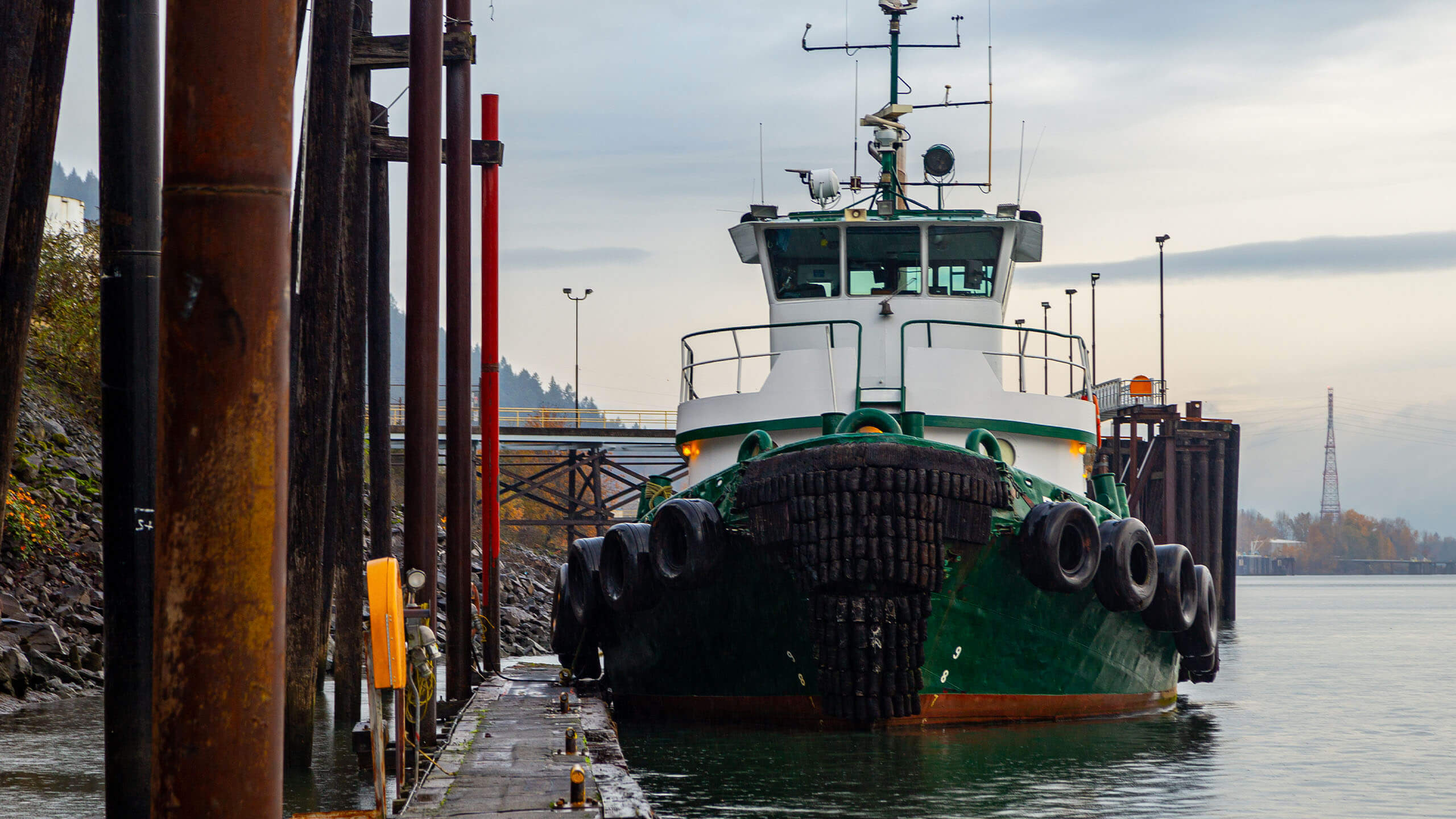
High-frequency hull inspection as routine practice
A Deep Trekker DTG3 ROV was used for close-range underwater inspection of hulls and thrusters, deployed almost weekly. Savings in the first year reached about USD 135,000, twice the projected return on investment.
Source: Deep Trekker customer case study
First fully remote ROV class survey
A micro ROV completed a fully remote in-water survey of an entire hull bottom and received classification society endorsement, marking recognition of remote, unmanned hull survey by an authority.
Source: Bureau Veritas
UWILD in place of docking survey
ROV-based UWILD inspection removed the need for dry docking and divers, compressing a survey from the conventional two days at about GBP 40,000 to two hours at under GBP 10,000, with the vessel back in service the same day.
Source: Air Control Entech
ROV sea chest screening for narcotics (border enforcement)
At the Port of Melbourne the Australian Border Force used an underwater ROV to scan the sea chests of a cargo vessel and identified suspicious attachments below the waterline. Divers subsequently recovered about 200 kg of cocaine (street value around AUD 80 million) from the valve box, demonstrating the operational value of ROV screening of sea-connected spaces.
Source: Australian Federal Police
ROV hull inspection deployment
The TUNA ROV from Indian underwater robotics company EyeROV is used for hull and port underwater structure inspection and survey, showing adoption of ROV vessel inspection in emerging markets.
Source: EyeROV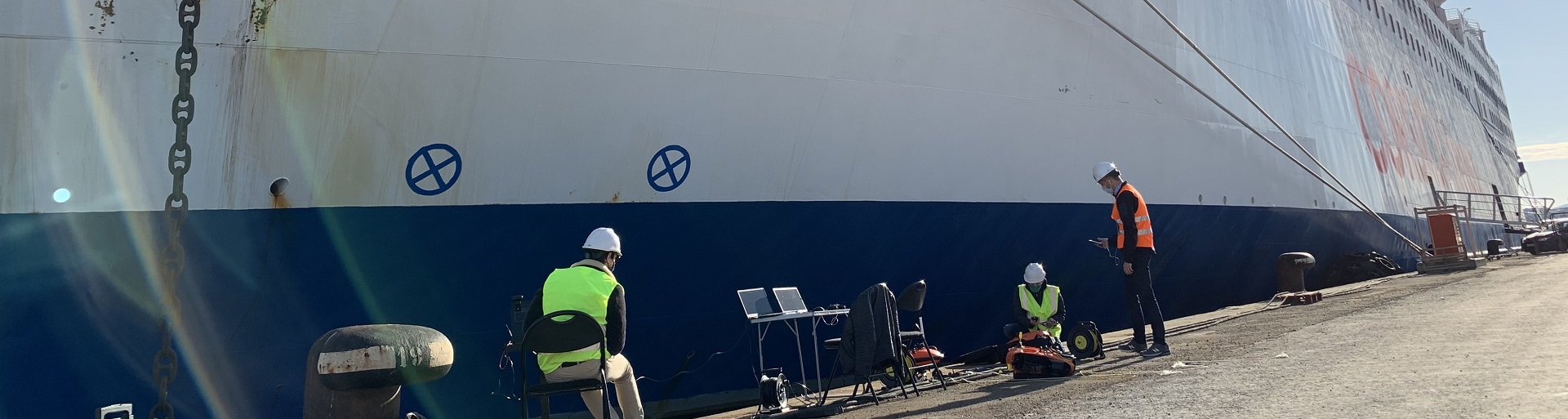
Fully remote hull survey (Seasam)
Notilo Plus used its autonomous ROV Seasam to carry out a remote underwater survey of the ro-ro passenger vessel MÉDITERRANÉE, accepted by Bureau Veritas, confirming the feasibility of fully autonomous ROV survey on vessels in service.
Source: Notilo PlusRecommended Equipment
Equipment and systems typically deployed for these scenarios
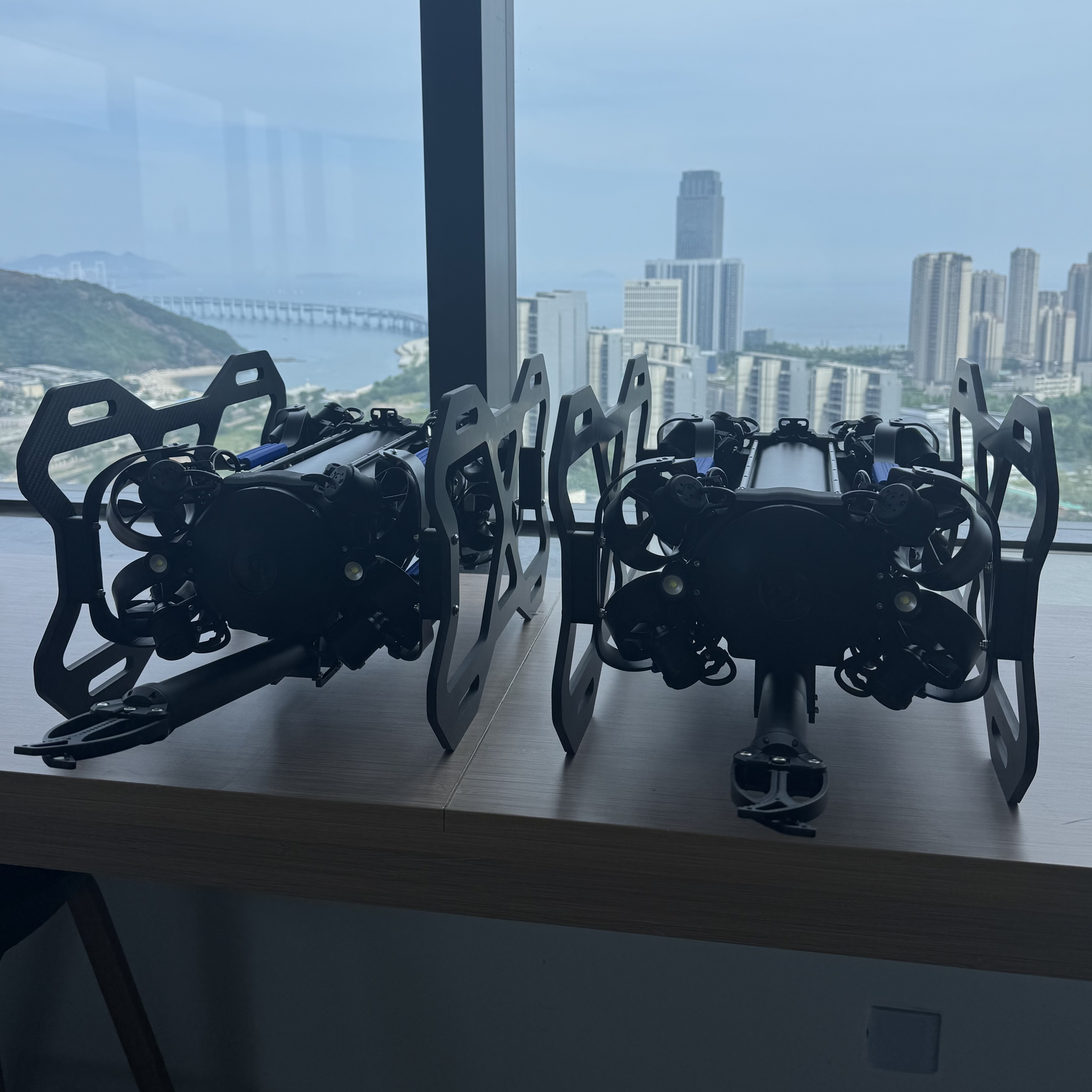
SUBCannon Series
Primary inspection ROV: 350 m operating depth, full-vector thrusters and 4K imaging, suited to detailed bottom and hull survey.
View Details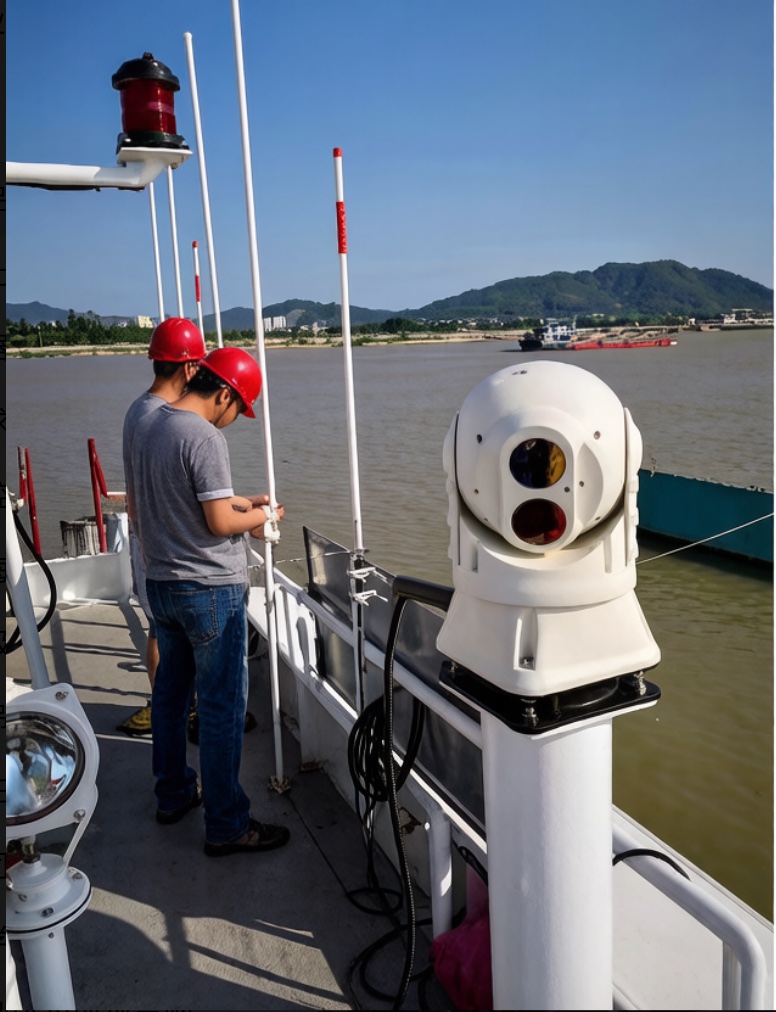
Glory Radar-eye — Vessel Fog-Penetration and Night Navigation Augmentation System
Surface-level fog-penetration and night navigation enhancement. Optical, thermal, radar, AIS and electronic chart data are fused on a single display, supporting underwater inspection work and safe approach in fog, rain and darkness.
View Details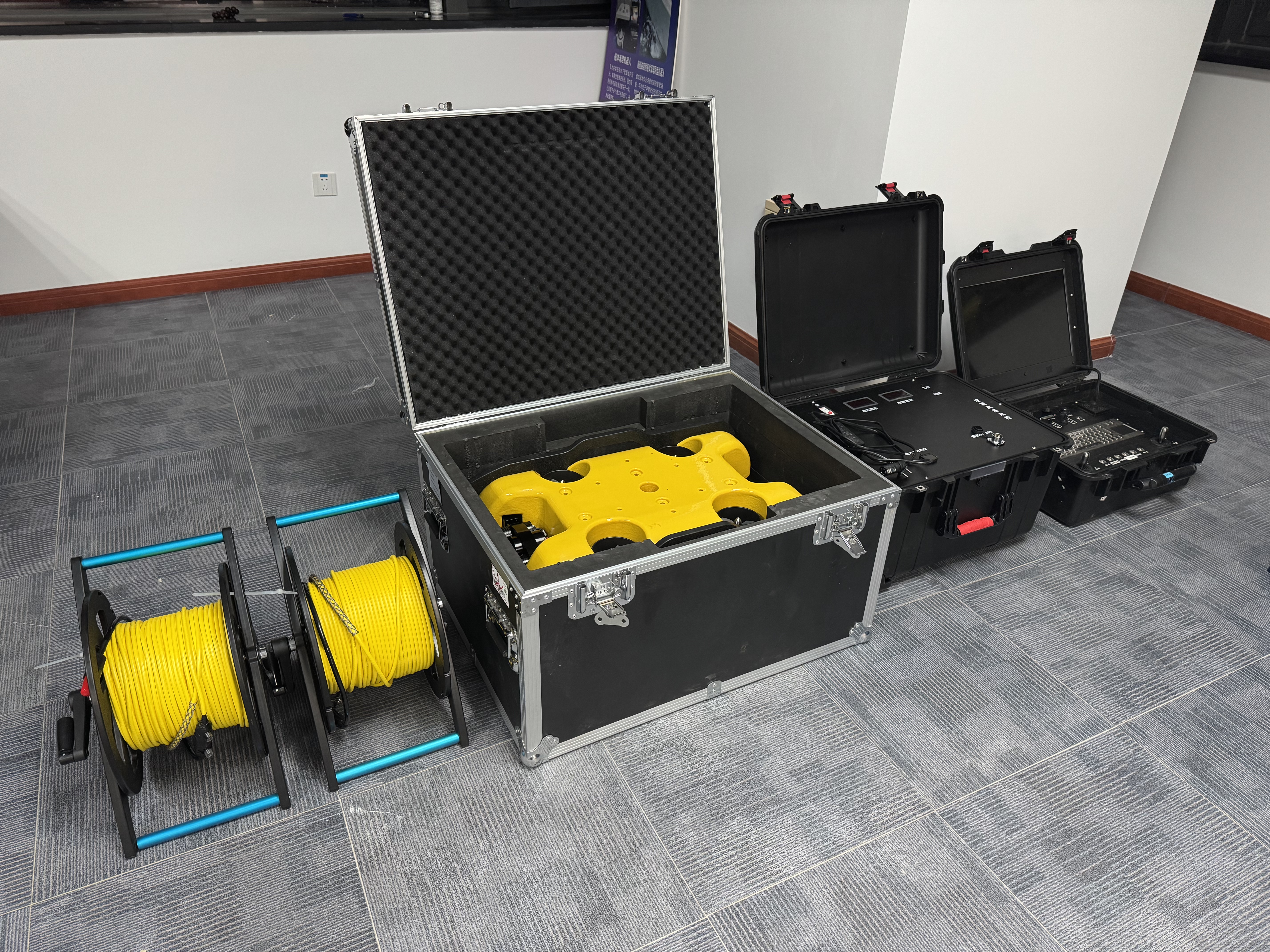
ROV Series
The full range of ROV, AUV and USV platforms with sonar payloads, configured to inspection depth and task.
View Details