
Port Facility Underwater Inspection
GLORY MARINE provides port facility underwater inspection services backed by its own ROV fleet and extensive underwater engineering experience. Engagements are priced either as an inspection project or as equipment rental. We carry out underwater survey, HD imagery recording and defect identification on wharves, berths, port machinery piles, quay walls and breakwaters, and precisely locate objects that have fallen into the water. A large number of port underwater works have been completed in a low-interference mode without berth closure, with traceable and verifiable data for port authorities and owners.
Who Needs Port Facility Underwater Inspection
Port Authorities / Terminal Operators
Periodic inspection of terminal assets that keeps the true condition of marine structures visible and flags safety issues in advance.
Maritime Safety Administration
Support for navigational safety, hazard survey and removal, maintaining waterway and berth safety.
Salvage and Rescue Operators
Precise positioning of submerged objects and pre-salvage survey, improving recovery efficiency and operational safety.
Diving Contractors
An ROV equipment and operations subcontracting partner, extending underwater visibility, sonar and data capability.
Offshore Engineering Contractors
Pre-construction survey for terminal upgrades, construction support and acceptance inspection that reduce operational uncertainty.
Owners / Insurers / Supervising Engineers
Third-party structural safety assessment and asset records that support O&M, insurance and liability determination.
Military Units
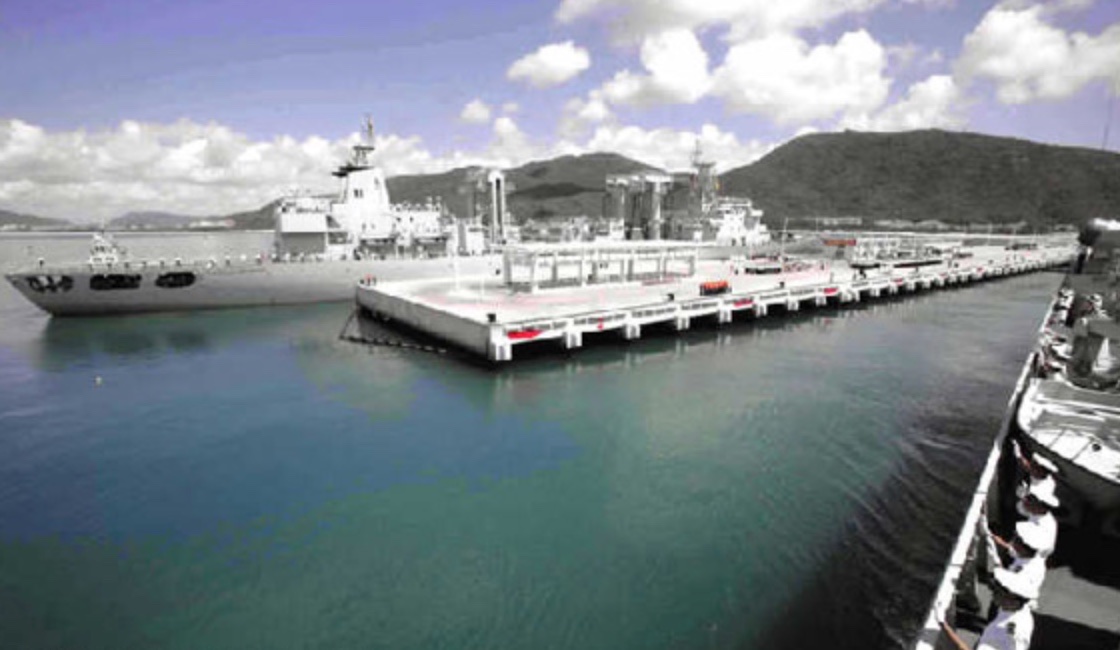
We have supported military units with underwater inspection of their berths. ROVs carry out non-contact survey and imagery documentation of quay walls, mooring facilities and underwater structures, with demonstrated capability in military facility inspection support.
Terminal Construction Contractors
During new construction, upgrading and repair works, ROVs perform pre-construction survey, underwater verification of piles and foundations, and final acceptance inspection, supporting construction quality control.
What We Solve
 1
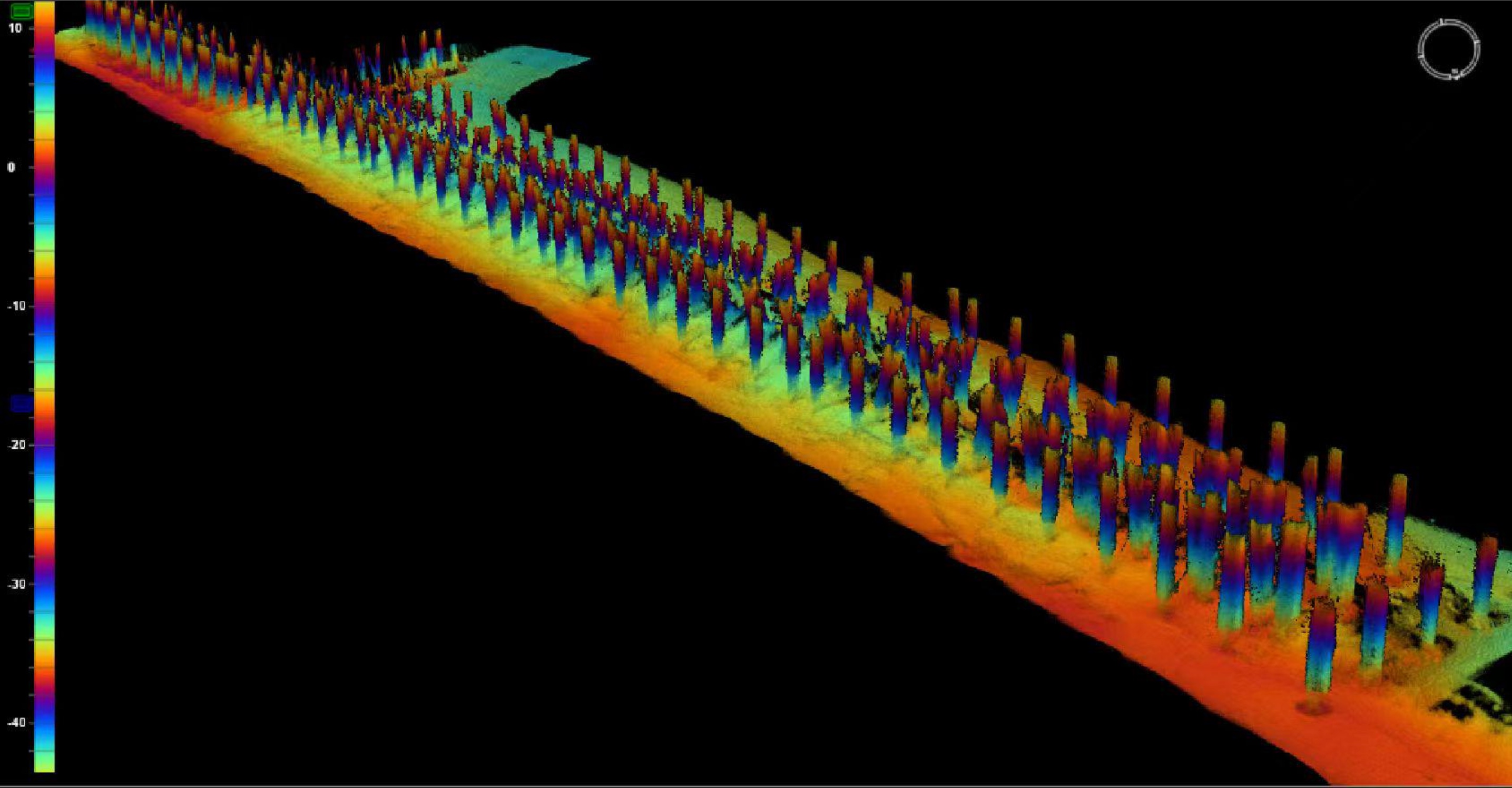
Berth and Wharf Foundation Scour and Voids
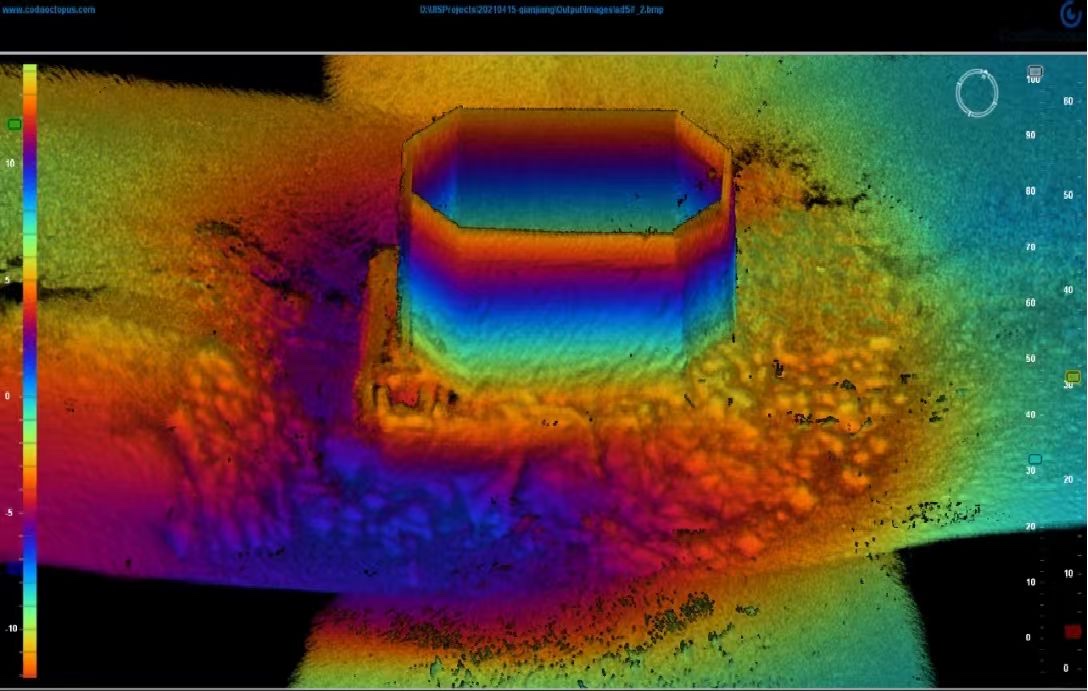
ROV survey with sonar scanning beneath berths and on the seabed identifies scour voids, suspension and foundation separation, giving early warning of collapse risk and guiding rock placement for backfill.
Conventional gap: requires diver probing, with high risk in confined space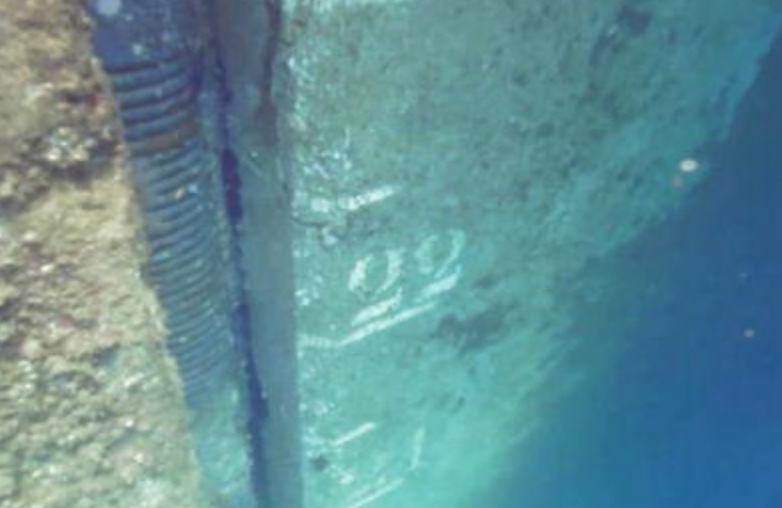 2
Pile Cracking and Exposed Reinforcing Steel
HD imagery records concrete cracking, exposed reinforcement and corrosion on piles, quantifying severity and distribution to support repair prioritisation.
Conventional gap: divers cannot approach under strong current or poor visibility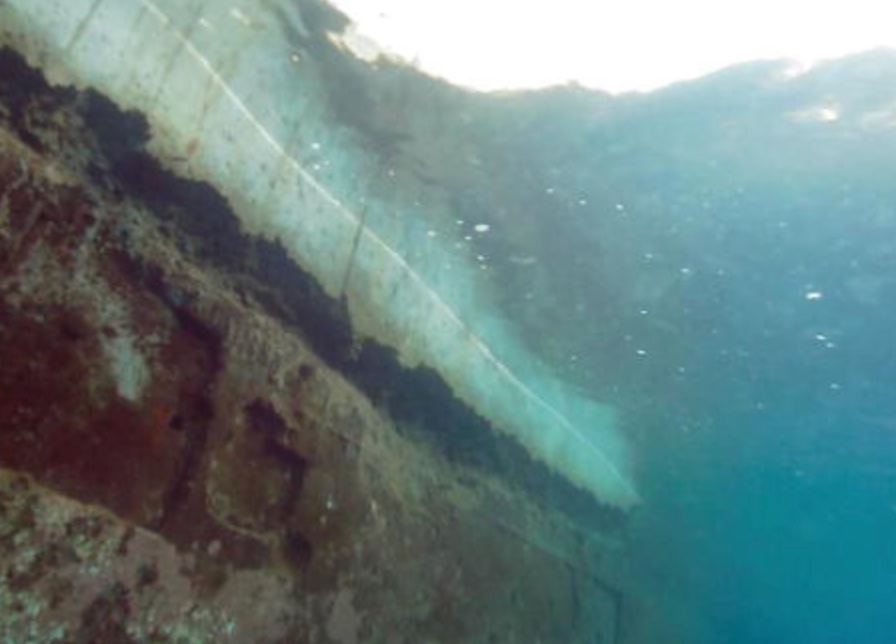 3
Parapet and Quay Wall Damage
Inspection of the submerged part of parapets and quay walls for damage, displacement and settlement, establishing structural continuity and berthing safety.
Conventional gap: nearshore works cause major interference with operations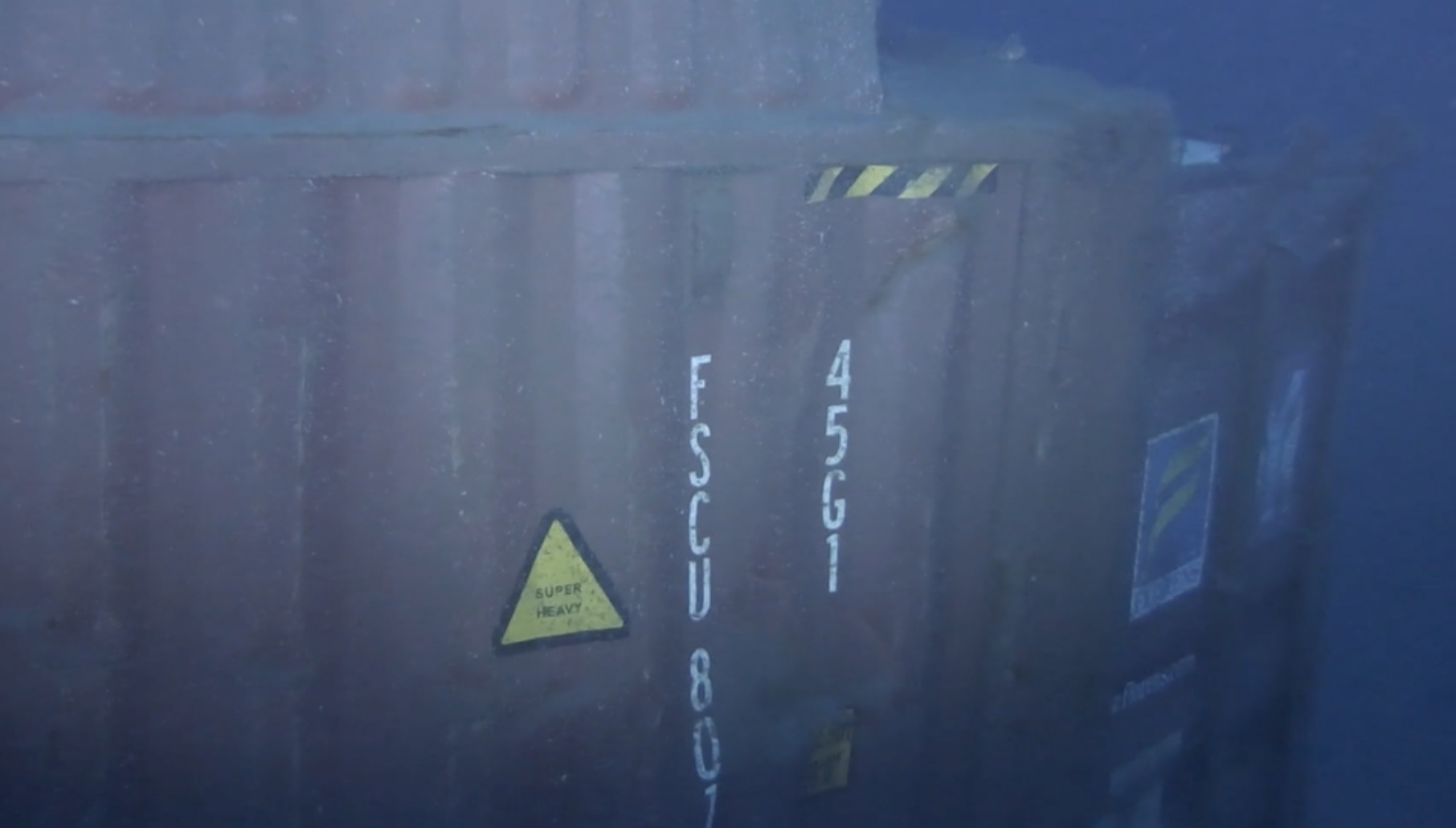 4
Submerged Object Survey
Locates equipment, containers and structural components that have fallen into basins and berths, providing precise pre-salvage survey and avoiding blind recovery attempts.
Conventional gap: blind probing is slow and hazardous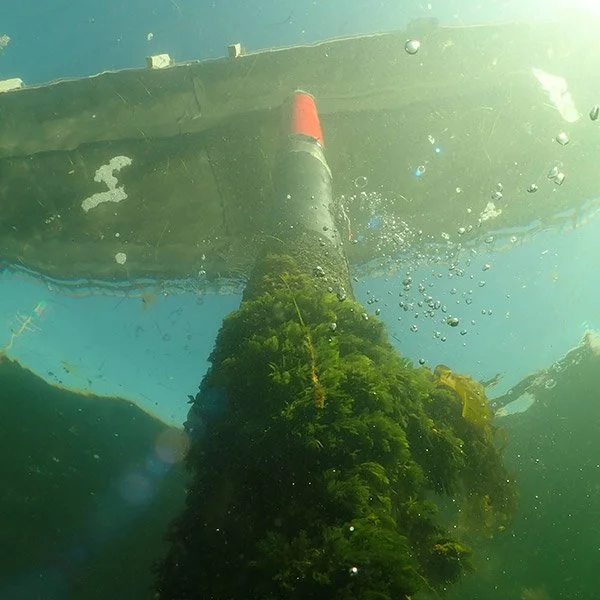 5
Port Machinery, Bollard and Fender Structures
Inspection of port machinery legs, bollard foundations and submerged fender connections, safeguarding berthing and cargo handling.
Conventional gap: judgement based on experience, with no objective data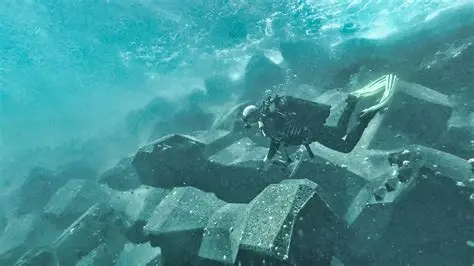 6
Breakwaters and Sand Barriers
Inspection of armour unit displacement, movement and collapse to maintain wave protection and tidal function and extend the service life of the structure.
Conventional gap: divers cannot work in open-sea conditions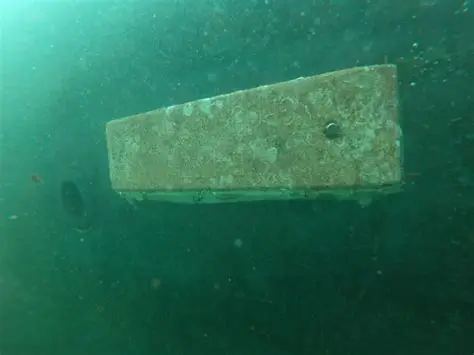 7
Sacrificial Anode and Cathodic Protection Survey
ROVs fitted with potential sensors survey anode consumption and cathodic protection potentials across underwater steel structures, quantifying corrosion protection status instead of divers checking each element by hand.
Conventional gap: element-by-element diver checks are slow and hard to quantify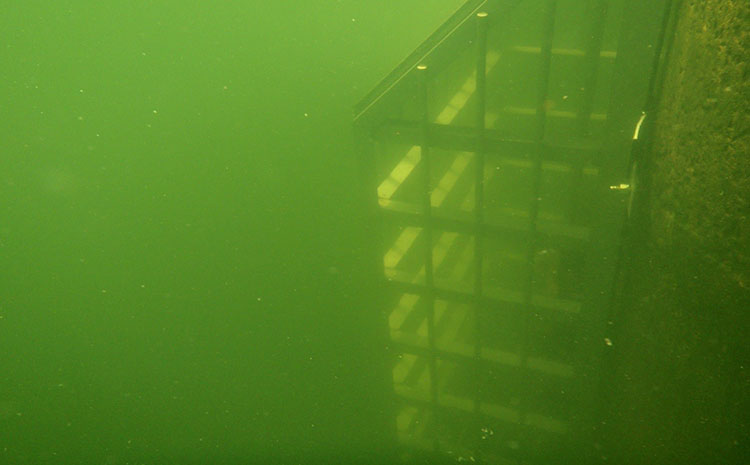 8
Intake and Outfall Trash Racks and Gates
Inspection of trash rack deformation and blockage and of gate tracks and seals underwater, keeping intake and outfall flows clear and avoiding unplanned shutdowns.
Conventional gap: diving in confined space is high-risk and prone to missed defects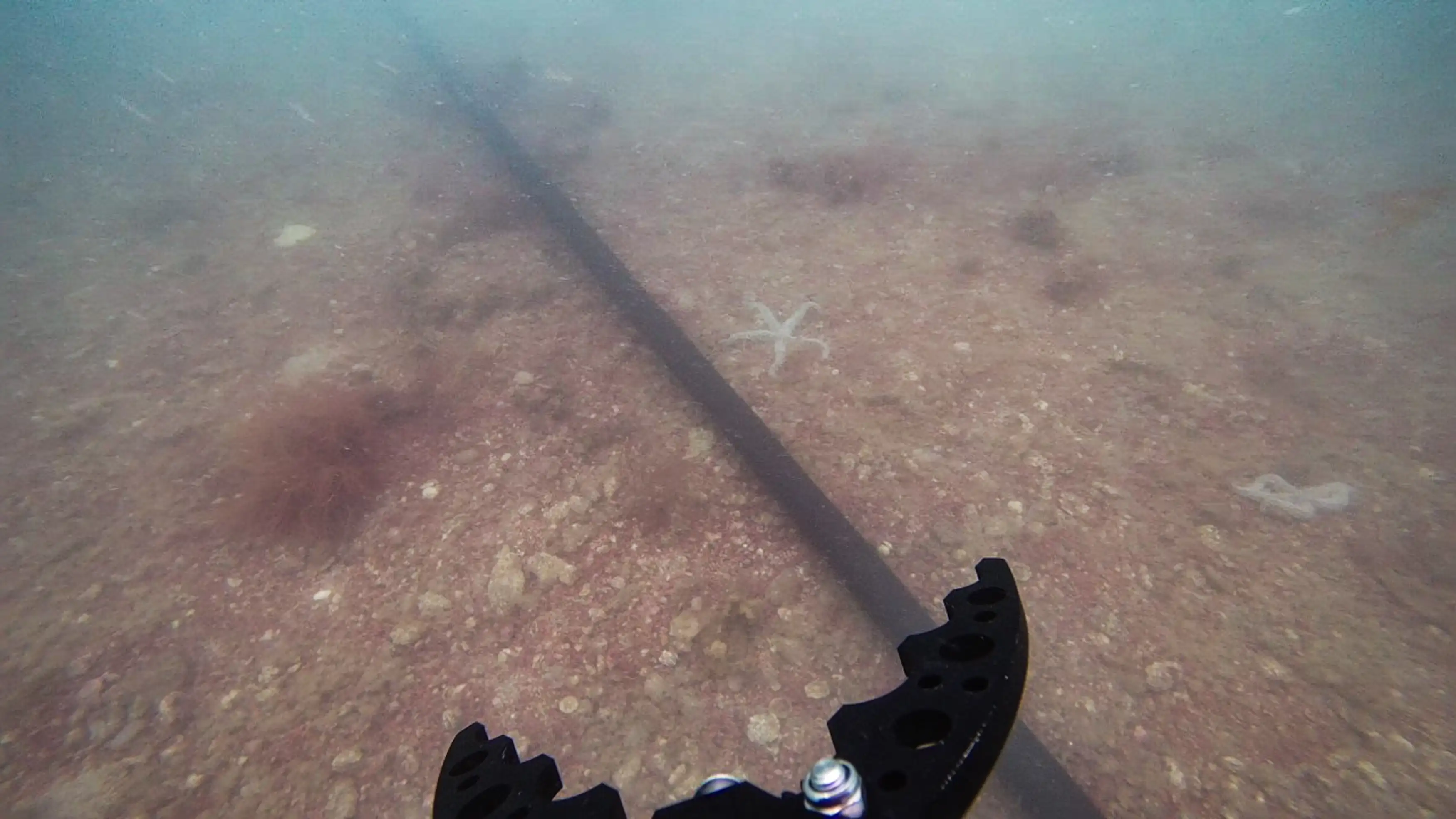 9
Crossing Pipelines, Cables and Culverts: Span and Burial Depth
Survey of pipelines, cables and culverts crossing embankments and basins for free spans and burial depth, identifying third-party damage and scour exposure risk.
Conventional gap: buried and submerged assets are invisible and inferred from drawingsConventional Methods vs ROV Inspection
Same underwater survey scope — the difference lies in cost, safety and the credibility of the data
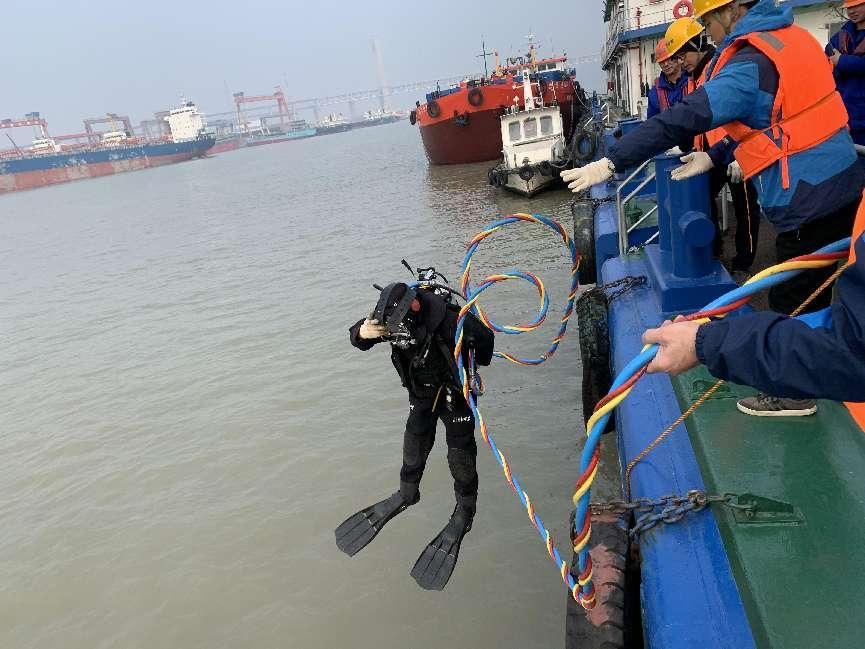
Conventional: Cofferdam / Divers
- Cofferdam or port closure: high cost and disruption to operations
- Divers: confined space, current and visibility risks
- Records kept by hand — subjective, hard to verify or trace
- Difficult to work in open-sea and high-current conditions
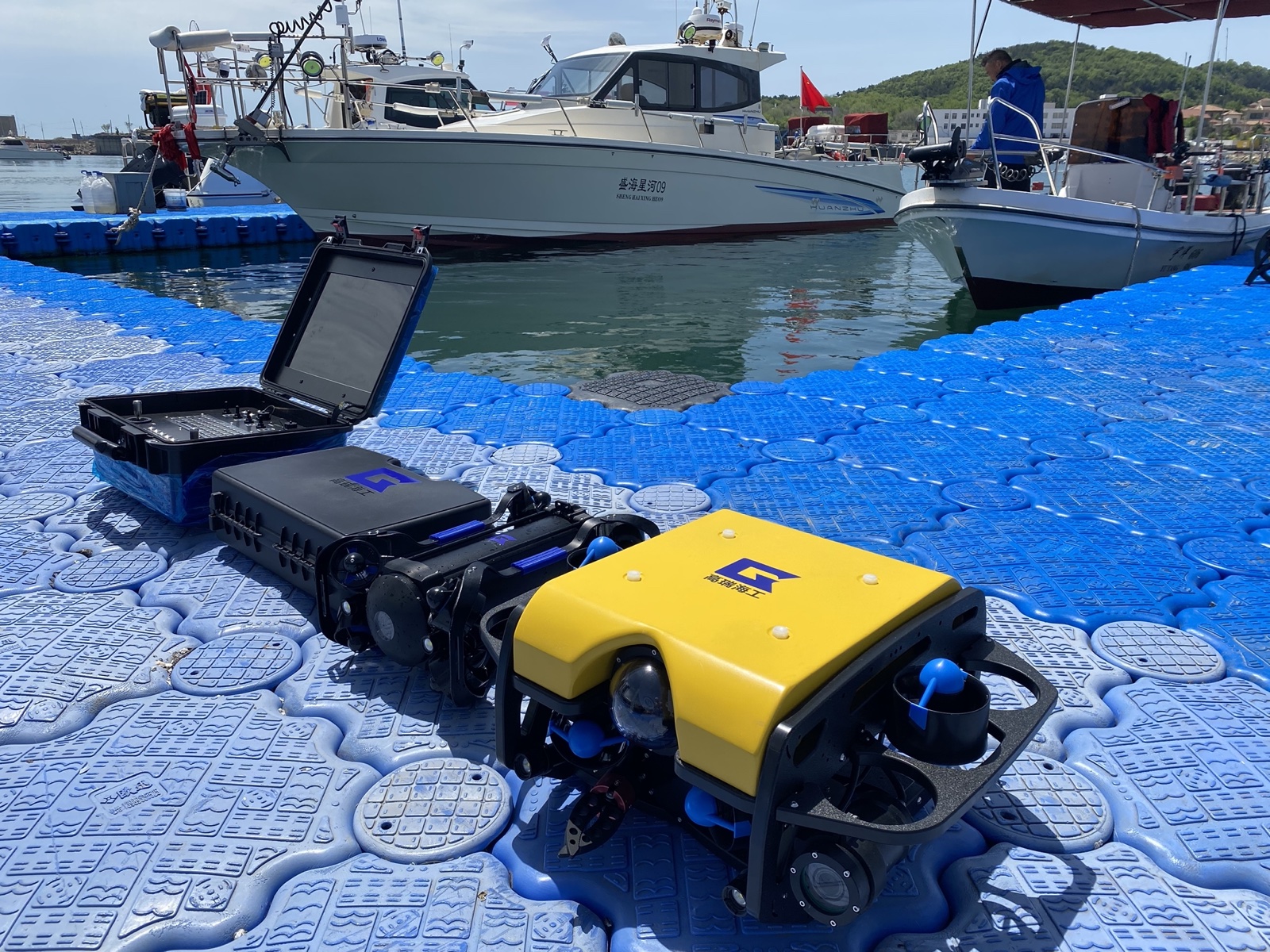
ROV Underwater Inspection
- No berth closure and minimal interference, with almost no impact on terminal operations
- No diver in the water — diver safety risk eliminated
- HD imaging with sonar — objective records that can be verified and traced
- Current-tolerant and operable in open sea, with longer working windows
Field Records
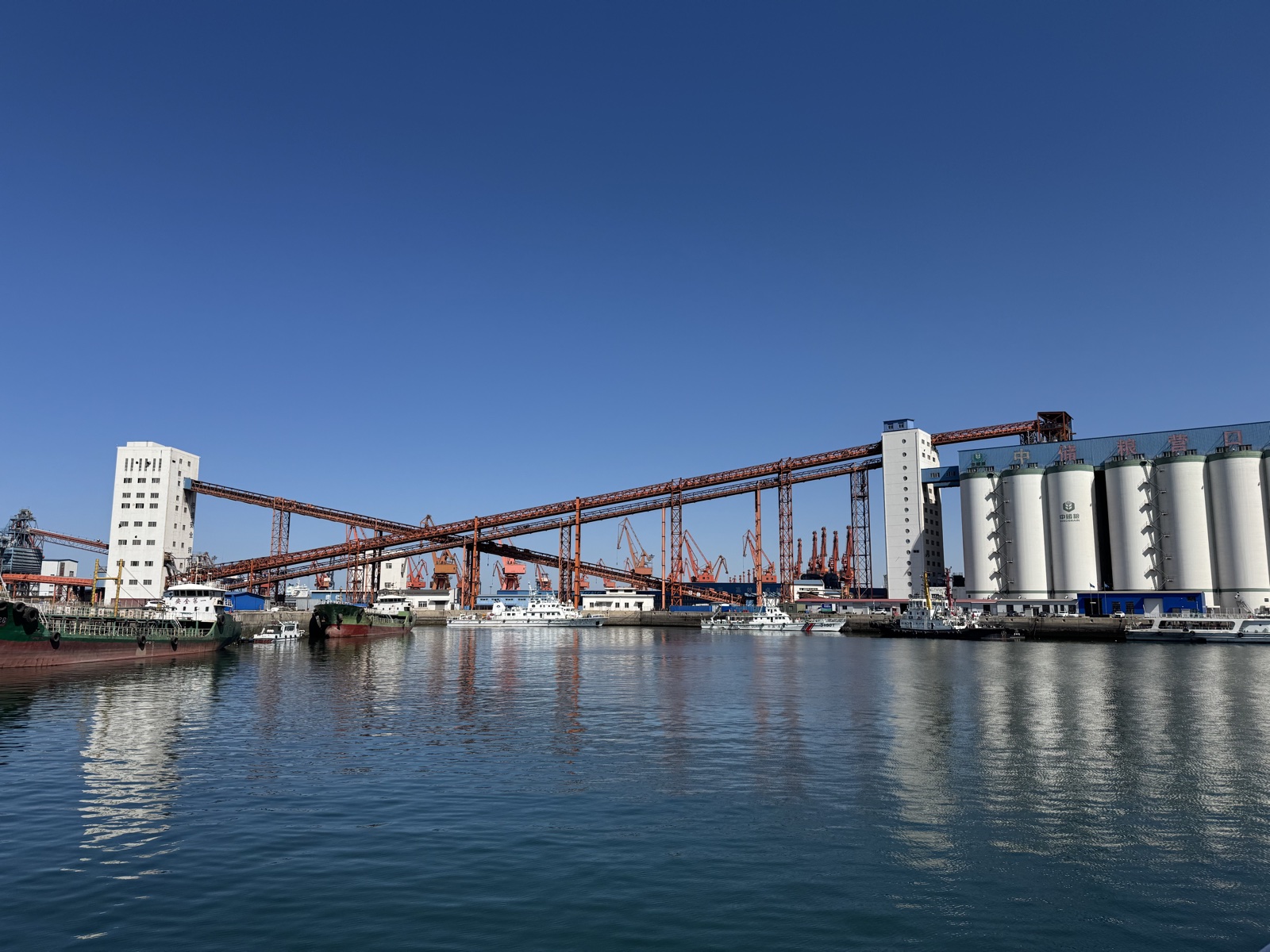
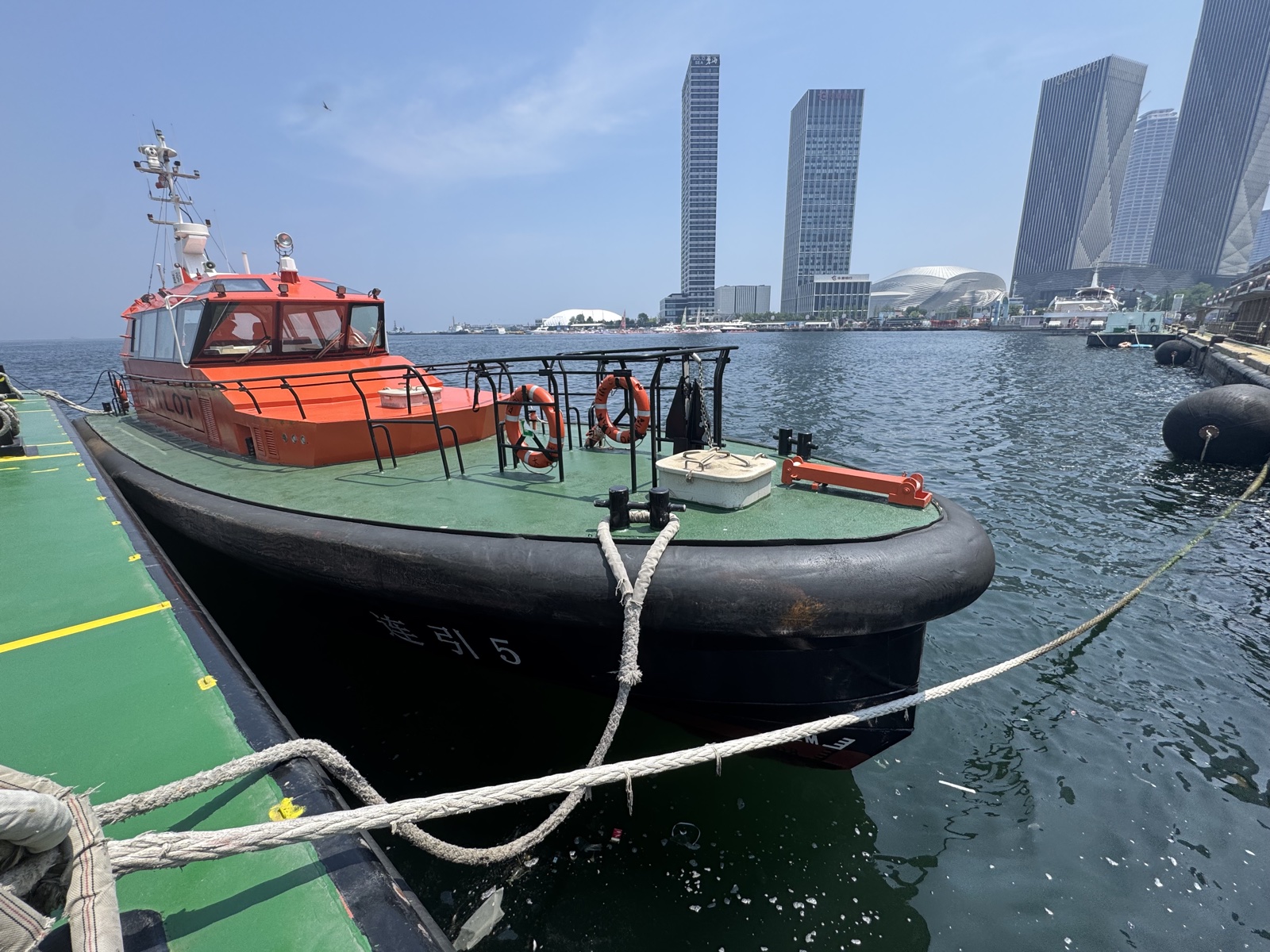
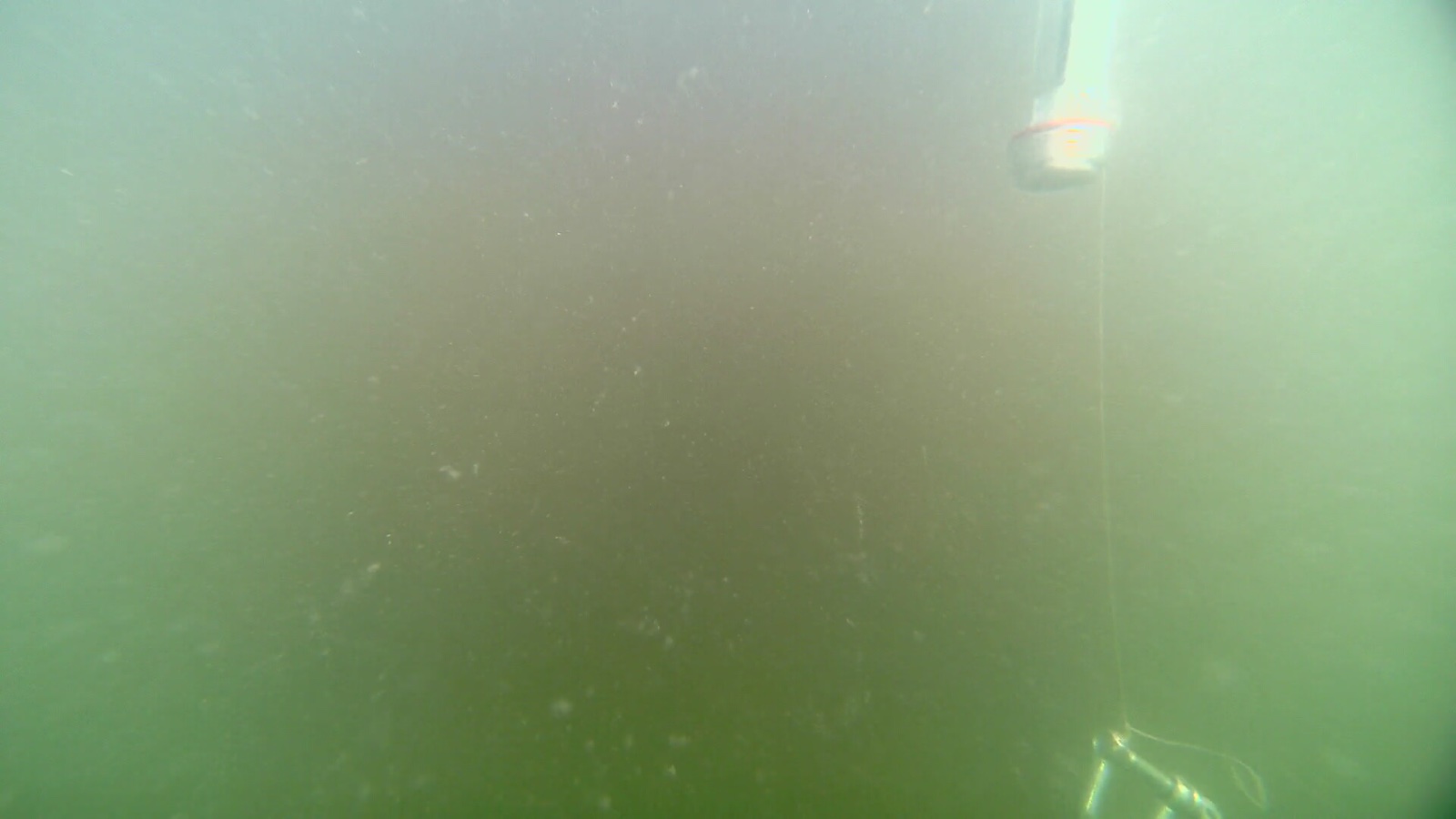
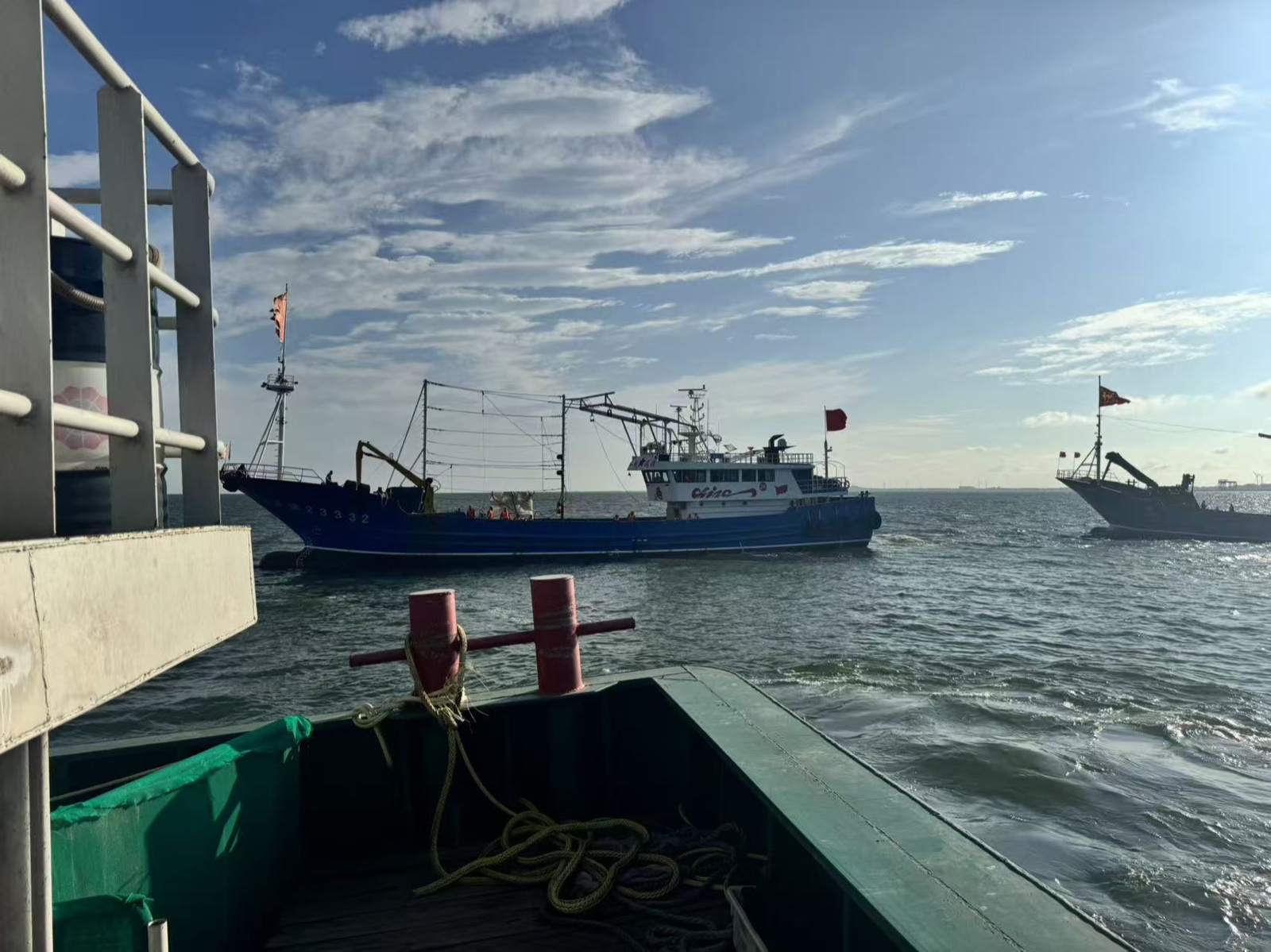
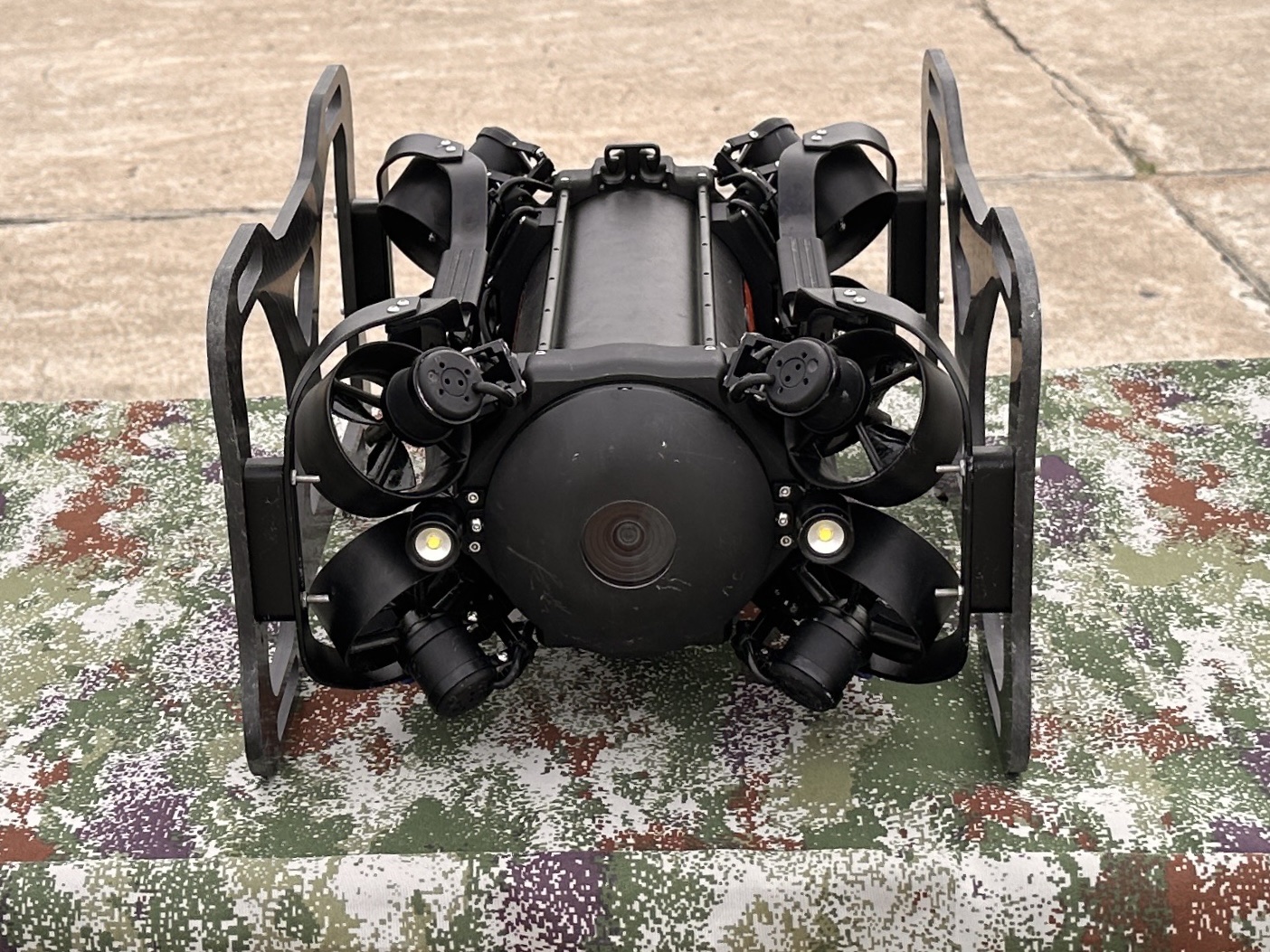
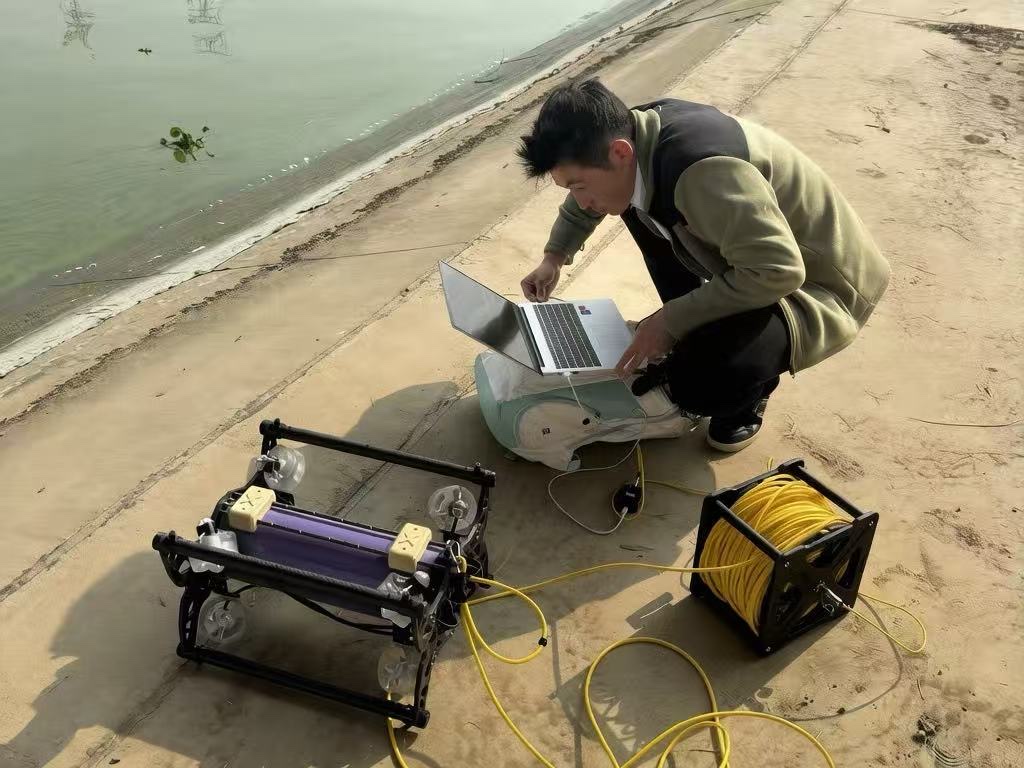
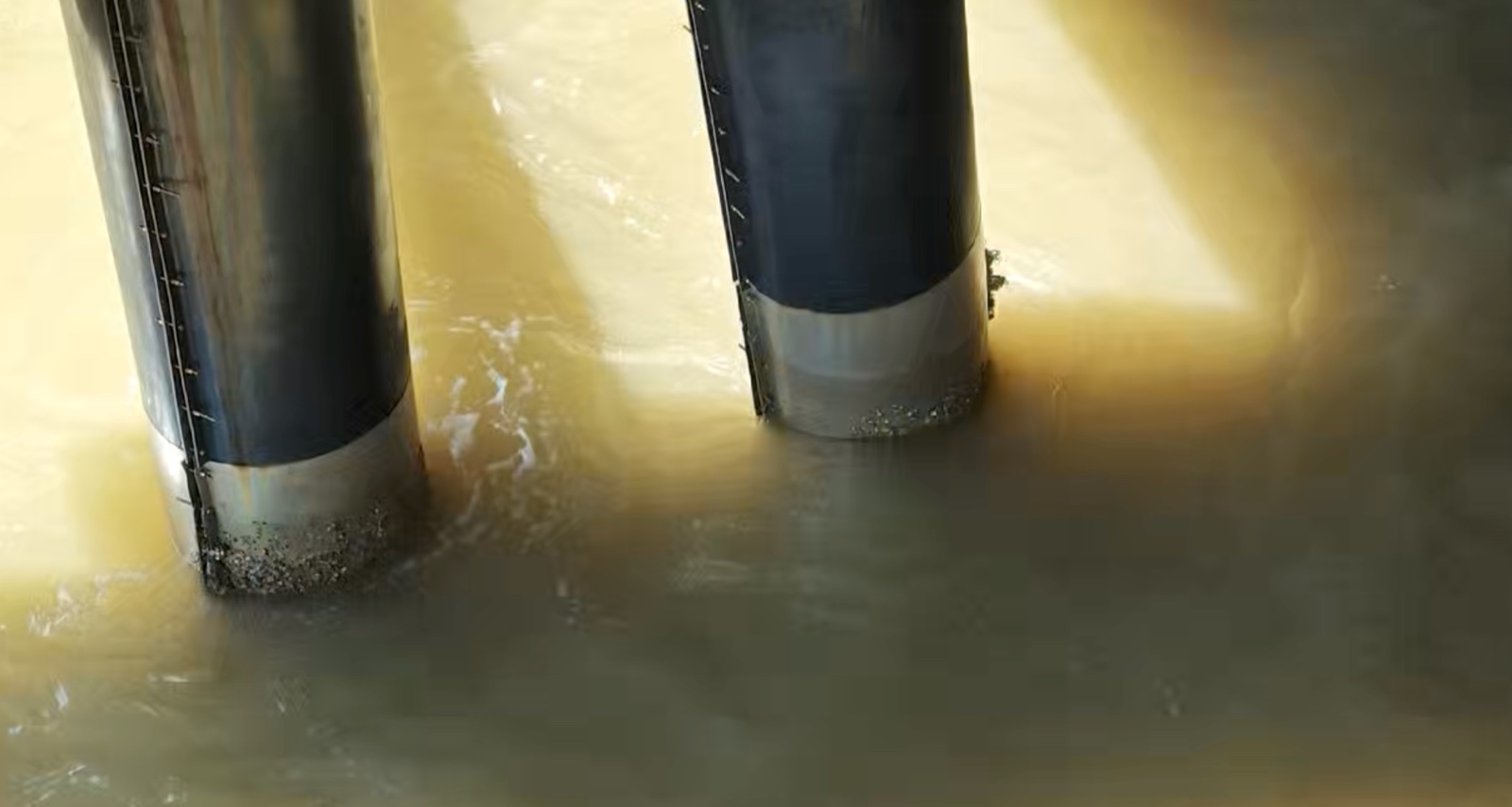
Below are on-site photographs and job records from our own ROV underwater inspection operations, supplied from GLORY MARINE field material and updated continuously
Industry Reference · International Cases
ROV inspection of port underwater structures is an established practice worldwide. The following public cases are provided for reference.
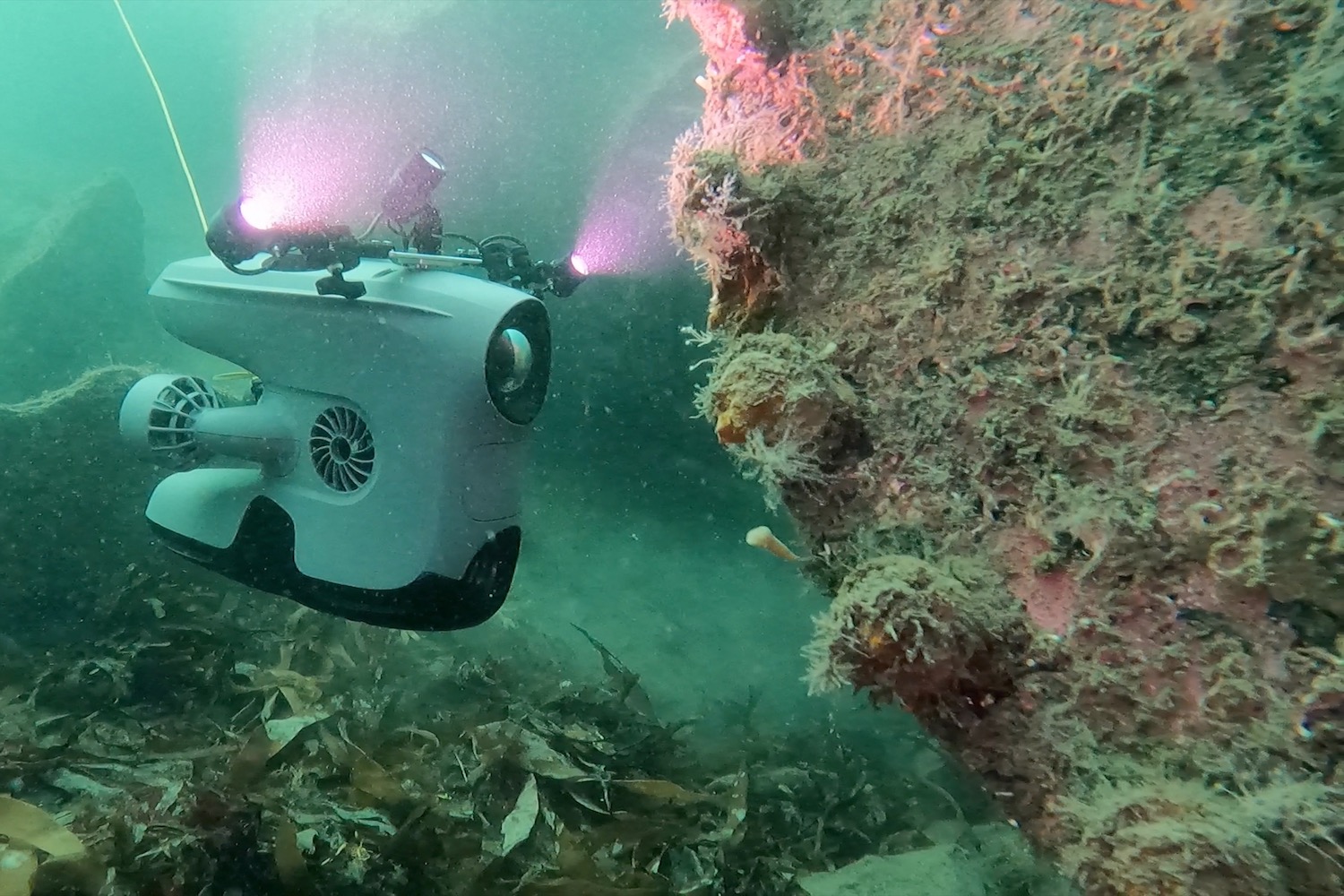
Autonomous wharf and breakwater inspection
GPS-enabled autonomous underwater drones were deployed for periodic inspection of quay walls, jetties and breakwaters, establishing a routine unmanned inspection regime for marine structures.
Source: Nokia Pulse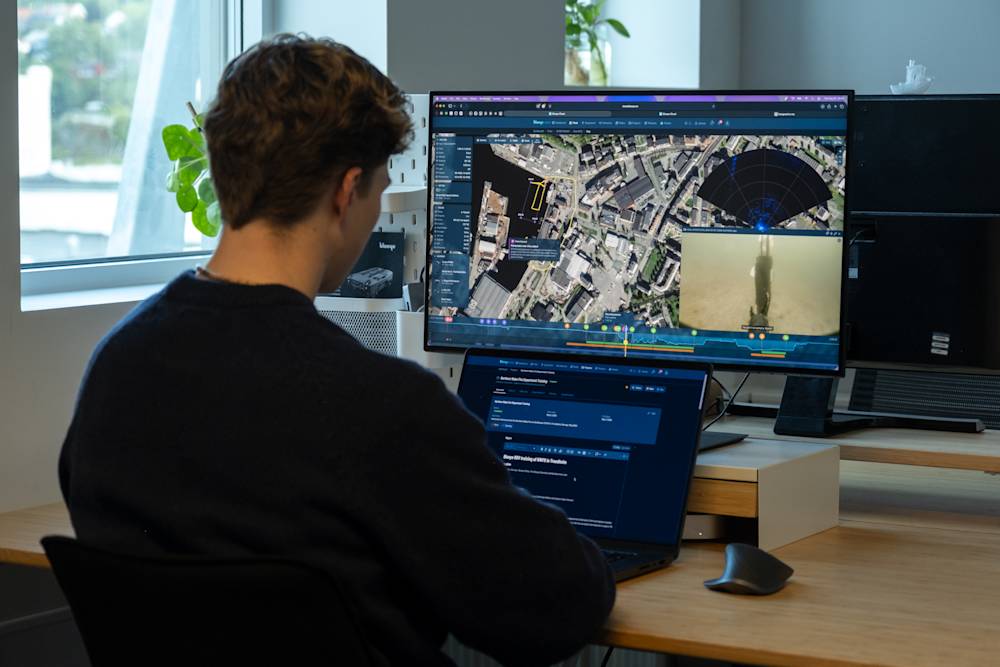
Underwater structure inspection in a cold-region port
ROVs were used to inspect wharves and underwater structures, confirming that the approach applies to cold-region ports as well, with inspection frequency and operational safety both improved.
Source: Nokia Pulse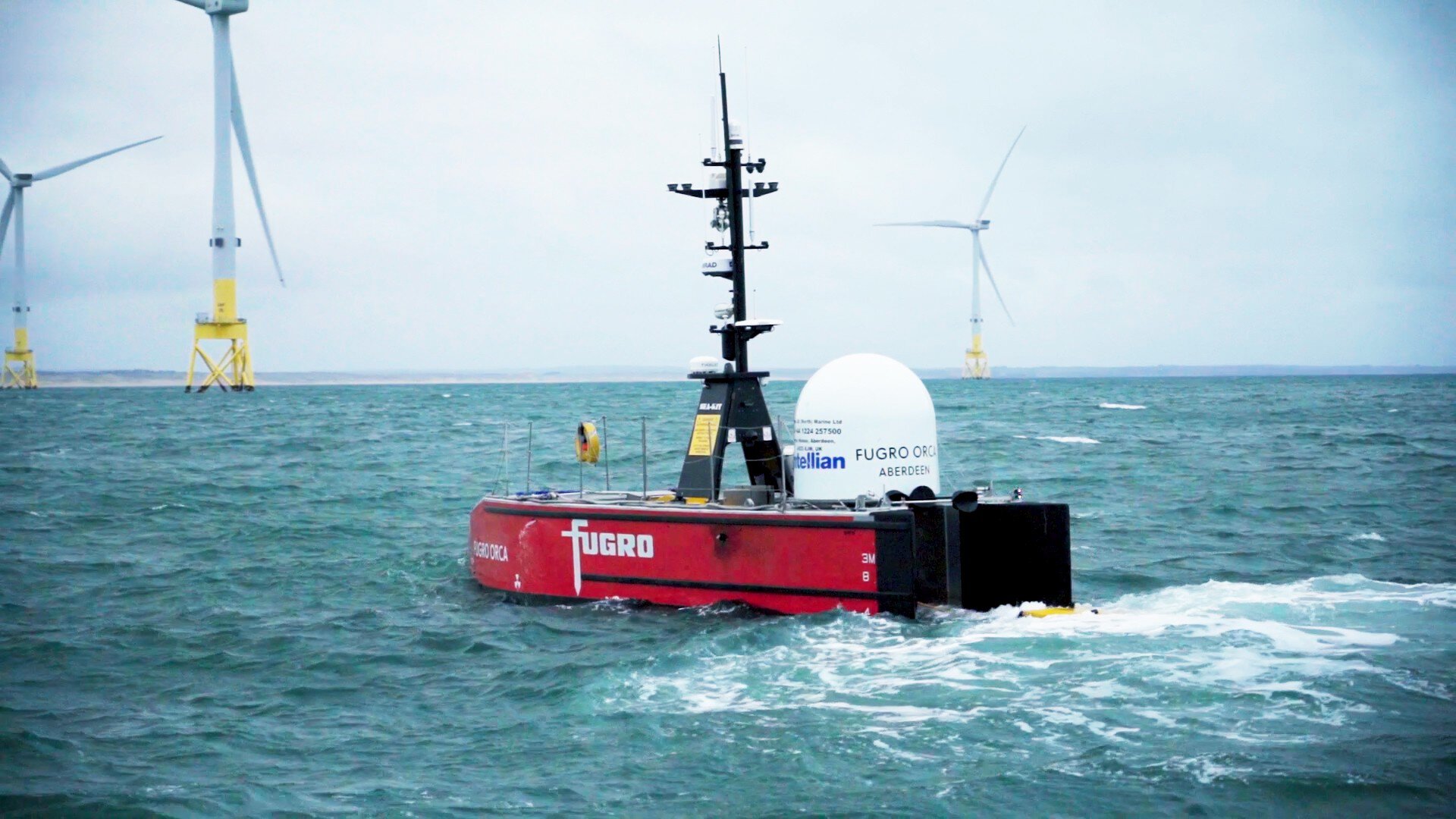
USV with eROV for quay wall inspection
The Blue Essence USV carrying a Blue Volta eROV performed remote underwater inspection of quay walls, reducing personnel deployment and vessel support while improving safety and continuity.
Source: Fugro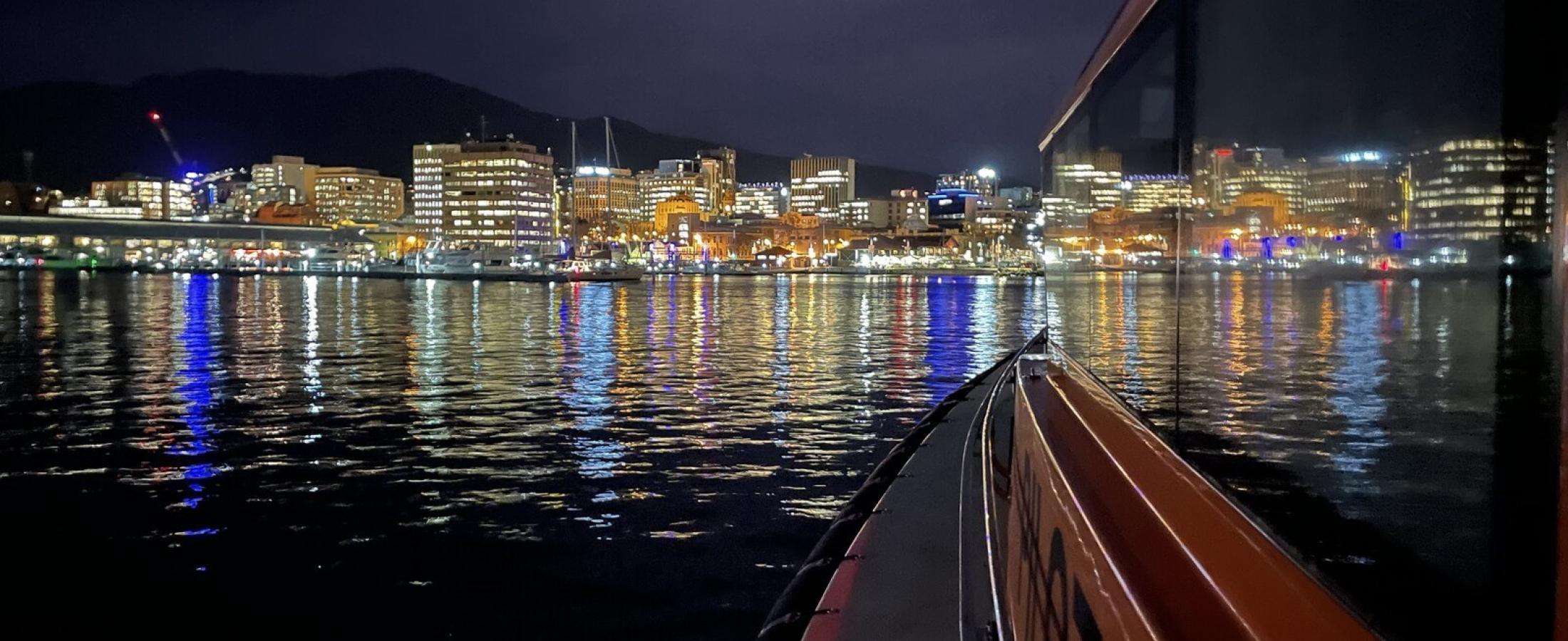
Underwater pile inspection across multiple berths
TasPorts commissioned TD Consulting and BECA to carry out systematic ROV inspection of underwater structures at the Hobart waterfront, Mac 4/5, Domain Slip and Self's Point berths.
Source: TasPorts port instruction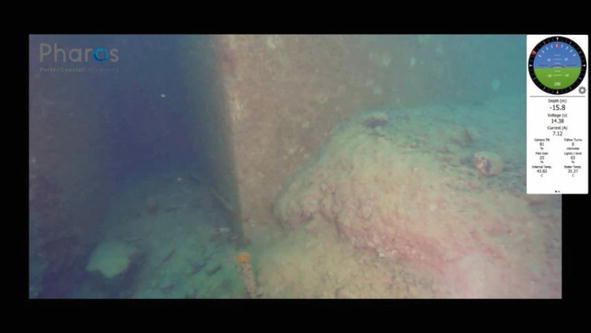
ROV inspection of wharves, breakwaters and outfalls
Spain's national port authority and the Canary Islands port authority used ROVs to inspect the Las Palmas outer breakwater on Gran Canaria, the Arrecife submarine outfall on Lanzarote and the seabed beneath the Naos cruise berth, as a new means of maintaining port infrastructure.
Source: IntechOpen research case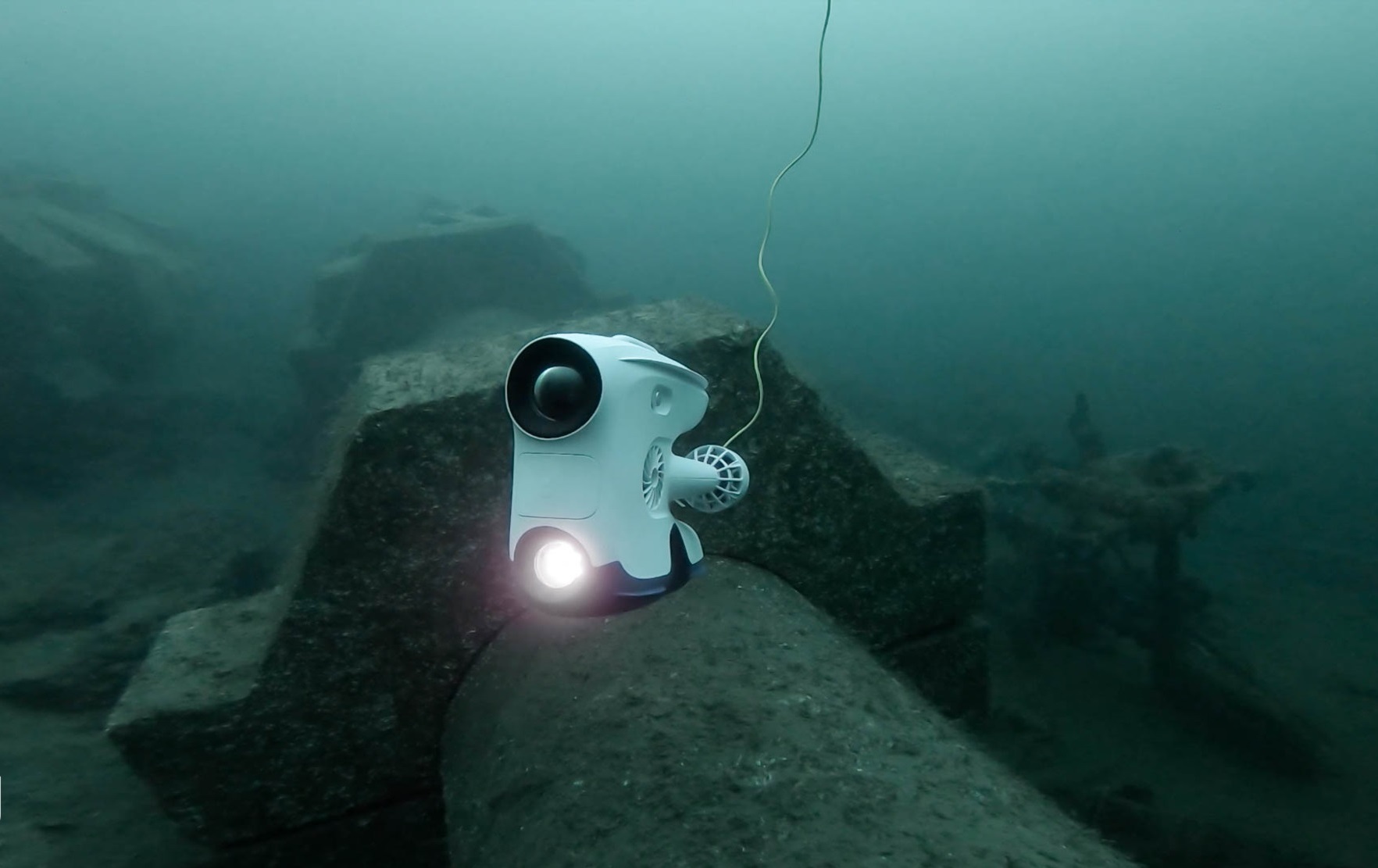
ROV structural inspection of quay walls
R.U.I.S. used a Blueye X3 ROV for visual inspection of the submerged part of quay walls at a busy European port, identifying cracking and corrosion that had not previously been found, allowing the port to schedule repairs early and avoid costly structural failure.
Source: R.U.I.S.Recommended Equipment
Equipment and systems typically deployed for these scenarios
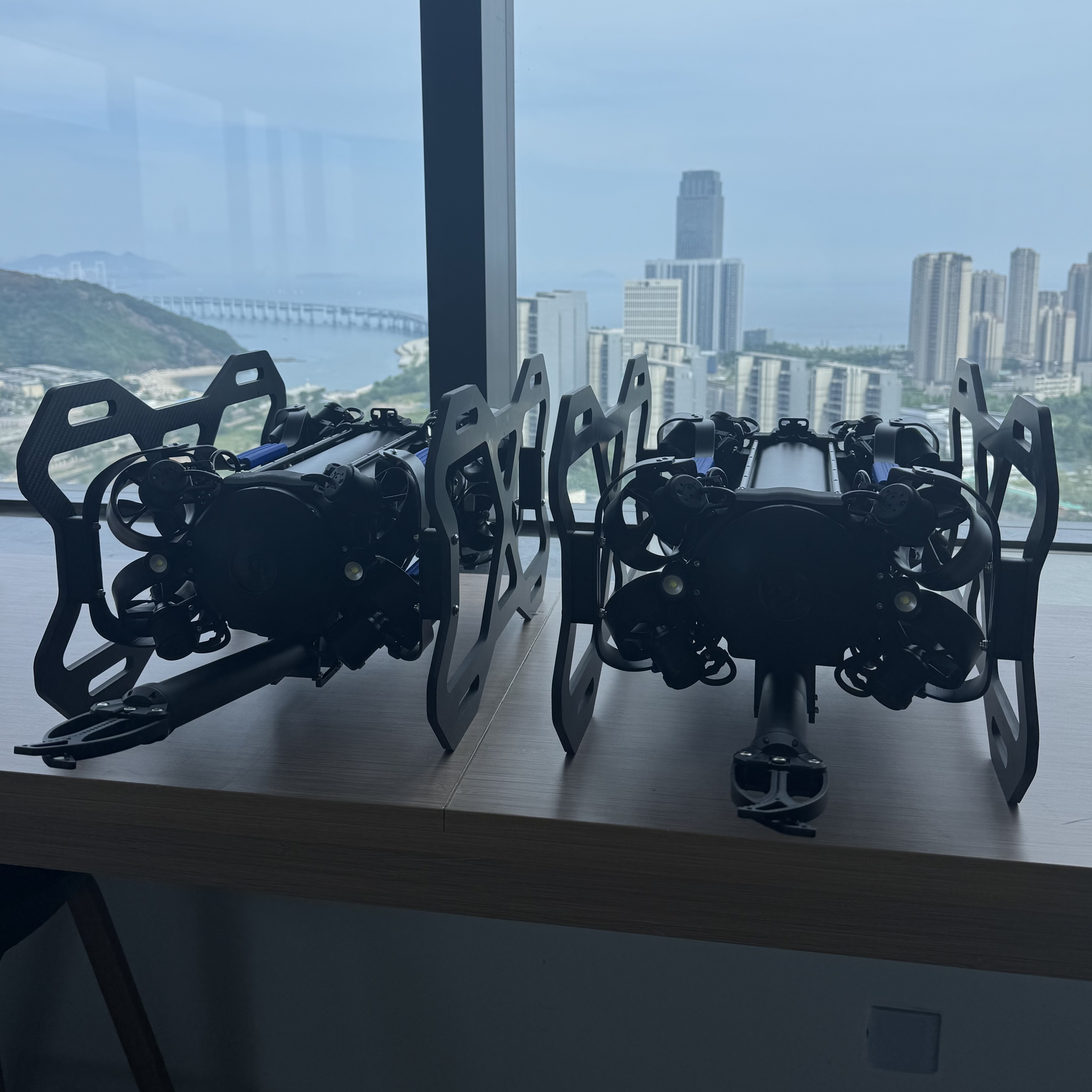
SUBCannon Series
Primary inspection ROV: 350 m operating depth, full-vector thrusters and 4K imaging, suited to detailed berth and pile survey.
View Details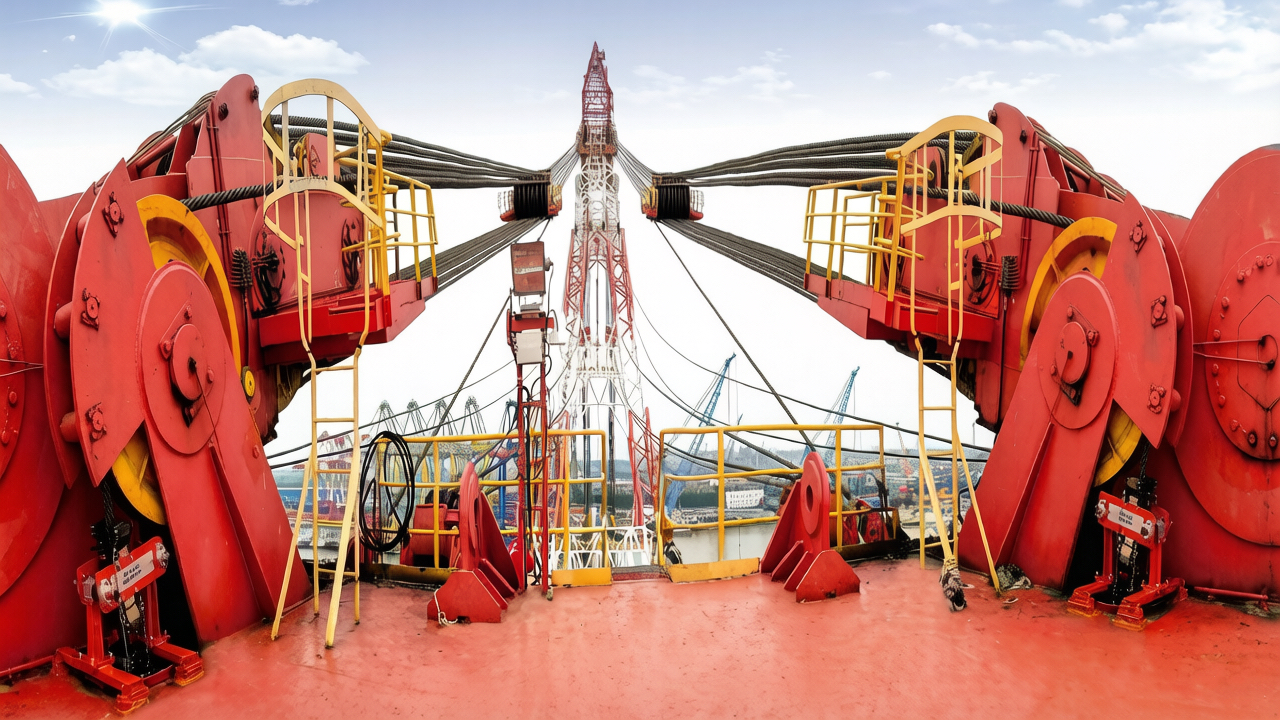
Intelligent Port Equipment
Vessel motion sensing, wire rope inspection and intelligent grabs combine with underwater inspection into integrated packages.
View Details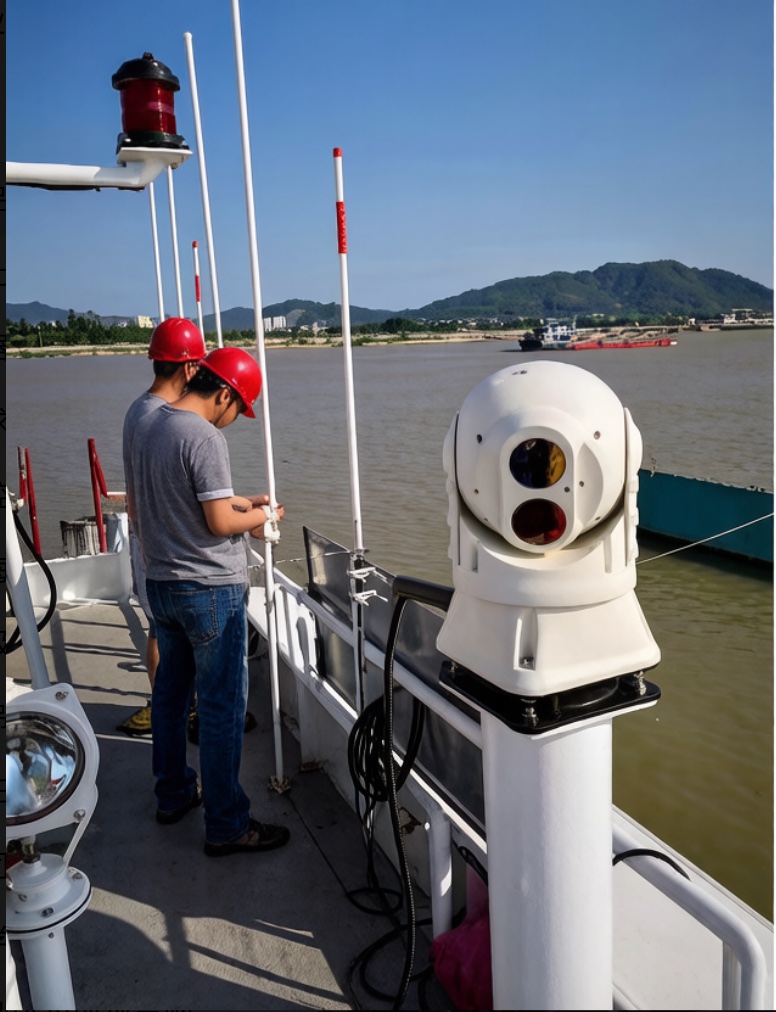
Glory Radar-eye — Vessel Fog-Penetration and Night Navigation Augmentation System
Surface-level fog-penetration and night navigation enhancement. Optical, thermal, radar, AIS and electronic chart data are fused on a single display, safeguarding approach and operational navigation in fog, rain and darkness.
View Details